Eyup Sultan Mosque Architecture: A Masterpiece from the Ottoman Era to the Present
23 March 2026 - Eyüp Sultan Camii
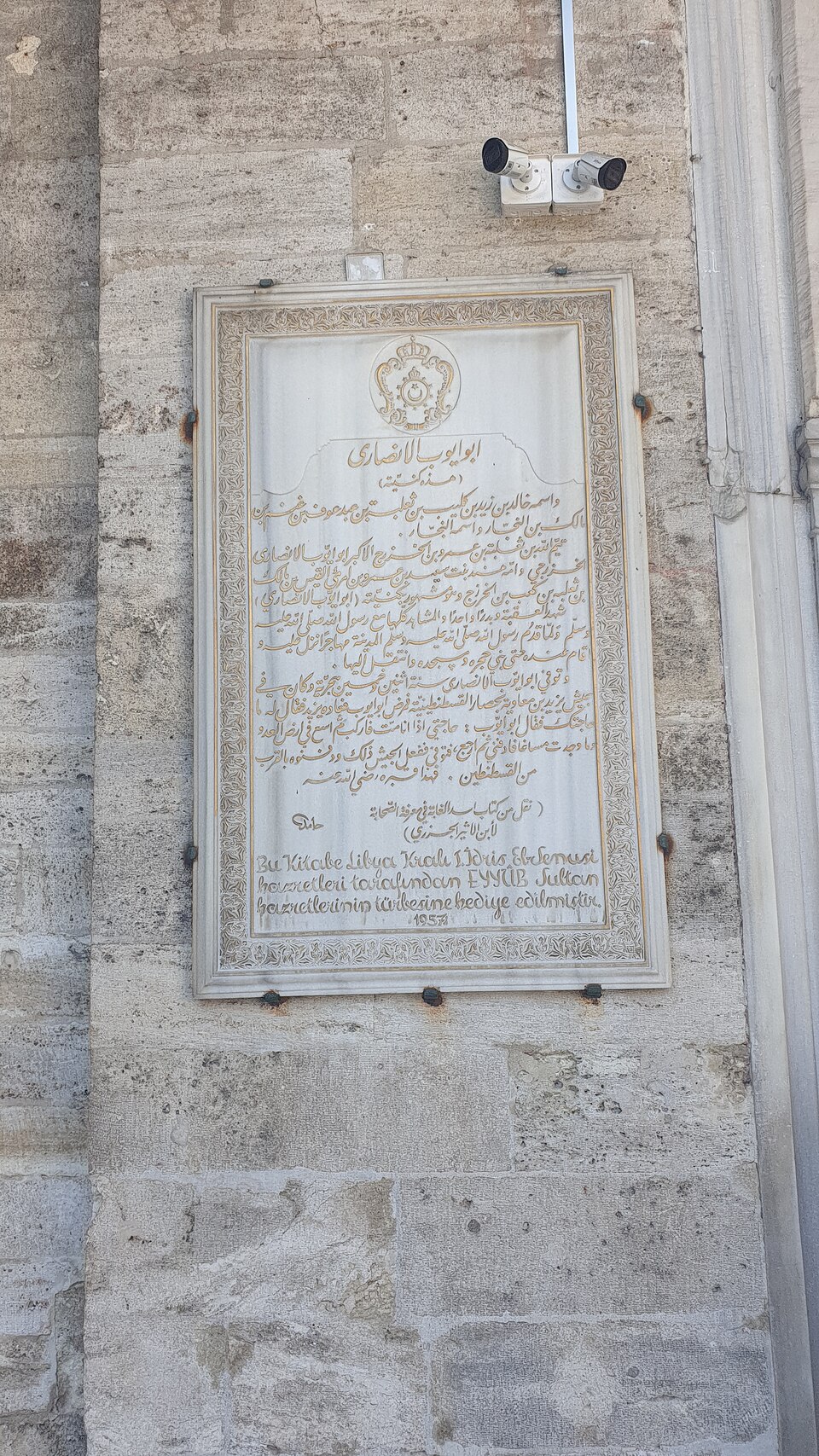
The Original Construction: 1458 - Fatih Era
The history of Eyup Sultan Mosque dates back to 1458, five years after the conquest of Istanbul. After conquering Istanbul, Fatih Sultan Mehmed had the tomb of Abu Ayyub al-Ansari discovered through the spiritual guidance of his teacher Akshemseddin and commissioned the construction of a mausoleum and mosque at this sacred site. The first mosque was designed in accordance with the classical Ottoman architectural style of the period.
The original structure built during the Fatih era featured a single-dome plan. A madrasa, bathhouse, soup kitchen, and fountain were also constructed alongside the mosque, forming a kulliye complex. This complex played an important role in the reconstruction of post-conquest Istanbul and greatly contributed to the development of the area. Architect Atik Sinan is believed to have been responsible for the construction.
Earthquakes and Reconstruction
Eyup Sultan Mosque has been affected by numerous natural disasters throughout its history. The great Istanbul earthquake of 1509 caused serious damage to the mosque. This earthquake is referred to as the "Little Apocalypse" in historical sources. Repairs were carried out by Sultan Bayezid II after the earthquake.
The great earthquake of 1766 dealt the heaviest blow to the mosque. The mosque was largely destroyed and rendered unusable. After remaining in ruins for a long period following the destruction, the structure would finally be completely rebuilt during the reign of Sultan Selim III. The earthquakes formed important turning points in the architectural history of the mosque, and each reconstruction reflected the architectural understanding of different periods.
Sultan Selim III Era Reconstruction (1800)
The Eyup Sultan Mosque we see today is largely the structure rebuilt between 1798 and 1800 during the reign of Sultan Selim III. Sultan Selim III personally oversaw the reconstruction of the mosque and commissioned the best architects of the era. The new structure carries elegant examples of the Ottoman Baroque style.
The Selim III era structure was built on a wider and more magnificent plan compared to the previous mosque. The materials used in the reconstruction were carefully selected, including marble and precious stones. During this period, Ottoman architecture had created its own unique synthesis by absorbing Western influences, and Eyup Sultan Mosque became one of the finest examples of this synthesis.
Architectural Features: Dome, Minaret, Courtyard and Fountain
The main dome of Eyup Sultan Mosque has a diameter of approximately 17 meters and occupies a central position. The dome sits on an octagonal drum with pendentive transitions. The inner surface of the dome is adorned with Quranic verses written by the most skilled calligraphers of the period.
The mosque has two minarets. The minarets reflect the characteristic features of the Ottoman Baroque style with their slender and elegant structures. The single-balcony minarets, with their lead-covered spires, make a significant contribution to the Istanbul skyline.
The inner courtyard is one of the most impressive sections of the mosque. The ablution fountain located in the center of the arcaded courtyard draws attention as both a functional and aesthetic element. The plane trees in the courtyard have stood for centuries, adding a peaceful atmosphere to the space. The courtyard floor is paved with marble and decorated with geometric patterns.
Interior Decorations: Calligraphy, Tiles and Ornamentation
The interior of Eyup Sultan Mosque is equipped with some of the rarest examples of Ottoman art. The Iznik and Kutahya tiles adorning the walls feature floral and geometric motifs in blue, green, and white tones. These tiles were added during different periods, making it possible to trace the development of Ottoman tile art.
Calligraphy is one of the most striking decorative elements of the mosque. The area around the mihrab, the interior of the dome, and the walls are adorned with Quranic verses and hadiths written by the most skilled calligraphers of their era. The calligraphy executed in gold gilt, navy blue, and green tones lends a magnificent atmosphere to the space.
The mihrab is made of colored marble in the form of a muqarnas-decorated niche. The minbar displays one of the finest examples of marble craftsmanship. The wooden doors of the mosque are decorated with mother-of-pearl inlay technique, reflecting the refinement of Ottoman woodworking art.
Mausoleum Architecture
The mausoleum of Abu Ayyub al-Ansari constitutes the most sacred section of the mosque. The mausoleum is an octagonal-plan structure covered with a lead-clad dome. Its interior is adorned with a silver-grilled sarcophagus, precious tiles, and calligraphy.
The walls of the mausoleum are covered with 16th-century Iznik tiles. These tiles are among the most valuable examples of Ottoman tile art. The silver door at the entrance and the silver grilles inside showcase the mastery of Ottoman metalwork. Visitors can reach the mausoleum through the inner courtyard of the mosque.
Courtyard and Cemetery
The courtyard and surroundings of Eyup Sultan Mosque serve as an open-air museum of Ottoman tombstone art. The cemetery contains the graves of important Ottoman statesmen, scholars, and artists. The tombstones are of great value in terms of their era's calligraphy and stone craftsmanship.
The plane trees in the courtyard are monumental trees, some hundreds of years old. These trees are preserved as natural elements that complete the spiritual atmosphere of the mosque. While the courtyard fills with worshippers during prayer times, it opens its doors to visitors as a peaceful place of contemplation at other times.
Restoration Works
Eyup Sultan Mosque has undergone numerous restorations throughout history. The most recent comprehensive restoration works were carried out while preserving the original character of the structure. During these works, tile and calligraphy art pieces were carefully restored, structural reinforcement was performed, and landscaping was completed.
Modern conservation techniques were combined with traditional Ottoman construction techniques in the restoration works. These works, carried out by expert teams, aimed to preserve both the physical and aesthetic integrity of the mosque. Today, Eyup Sultan Mosque, standing with its approximately six-century history, continues to be one of the most valuable works of Ottoman architecture.