Eyup Sultan Mosque Architecture and Restorations: Five Centuries of Transformation
10 February 2026 - Eyüp Sultan Camii
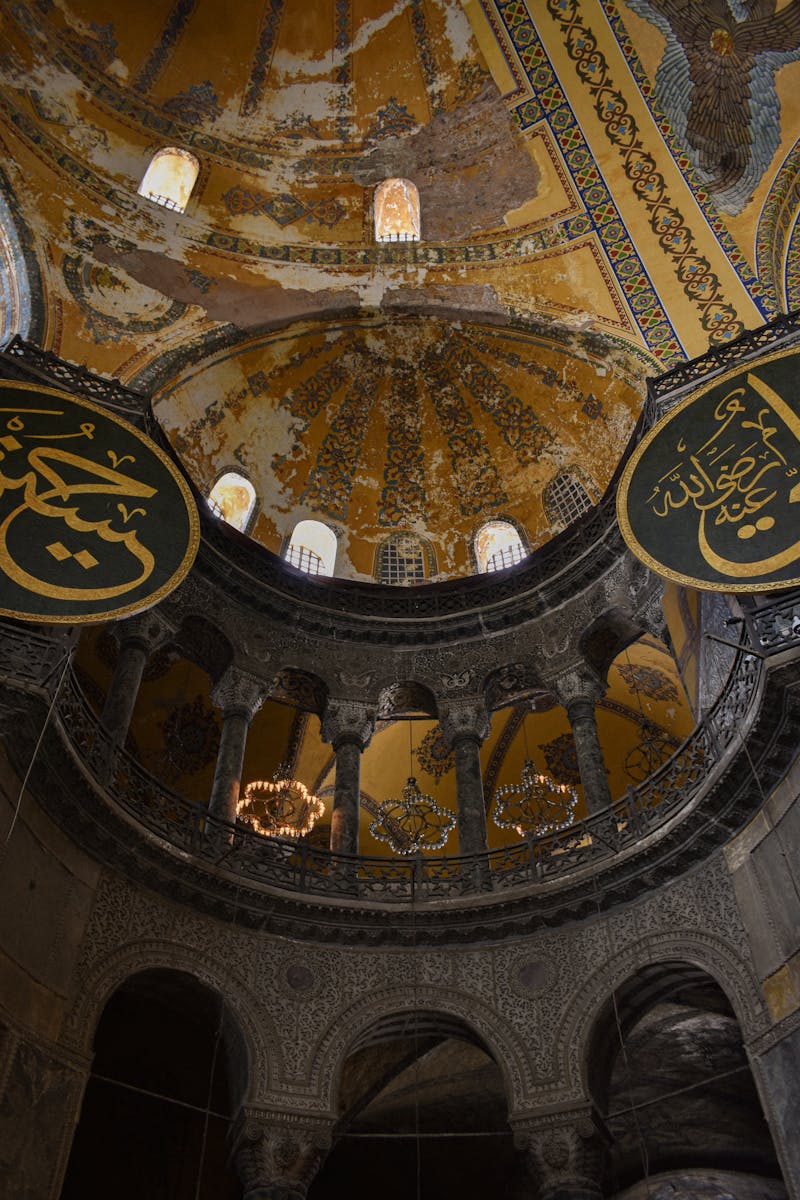
Eyüp Sultan Mosque, built in 1458 by Fatih Sultan Mehmed, has been one of Istanbul's most important places of worship for over five centuries. However, the structure we see today is not the original mosque from Fatih's era. Due to earthquakes, fires, and the erosive effects of time, the mosque has been repaired and rebuilt multiple times.
\n\nFirst Structure: Fatih Period (1458)
\n\nFatih Sultan Mehmed, five years after the conquest, had a tomb built over the grave of Abu Ayyub al-Ansari and a mosque beside it in 1458. The first structure was a modest building reflecting the classical Ottoman architecture of the period.
\n\nThe Fatih-era mosque was built on a single-dome plan. Alongside the mosque were social facilities including a madrasah, bathhouse, soup kitchen, and fountain. This complex laid the foundation for Eyüpsultan to become a religious and cultural center.
\n\nEarthquakes and Destructions
\n\nIstanbul has been subjected to many devastating earthquakes throughout history. Eyüp Sultan Mosque suffered its share. The great earthquake of 1509 (known as the Little Doomsday) caused serious damage to the mosque.
\n\nThe 1766 earthquake was the event that changed the mosque's fate. The mosque suffered extensive damage and was closed to worship. Since repairs were deemed impossible, the decision to build a new mosque was made.
\n\nSultan Selim III Period Reconstruction (1798-1800)
\n\nThe Eyüp Sultan Mosque we see today was rebuilt by Sultan Selim III between 1798 and 1800. This reconstruction represents the most comprehensive change in the mosque's history.
\n\nThe Selim III period structure bears the influences of the Ottoman Baroque style. Built under the supervision of the chief architect of the era, the mosque adopted a more ornate and elegant approach differing from the classical Ottoman mosque plan.
\n\nThe interior of the mosque features meticulously applied brushwork, calligraphy, and tile decorations. The mihrab and minbar were crafted by the finest stone craftsmen of the period. The dome rests on an octagonal drum illuminated by windows.
\n\nArchitectural Features
\n\nThe most notable architectural features of today's Eyüp Sultan Mosque include:
\n\nDome: The main dome is 17 meters in diameter, rising on an octagonal drum. The inner surface is decorated with brushwork. Windows in the drum provide natural light to the interior.
\n\nMinarets: The mosque has two minarets with balconies bearing baroque-style decorations. The echoing of the adhan from the minarets over the Golden Horn is an acoustic masterpiece.
\n\nCourtyard: The mosque's spacious courtyard is a classical Ottoman mosque courtyard surrounded by porticoes. The courtyard features a central fountain and corner fountains. Centuries-old plane trees contribute to the natural beauty.
\n\nInterior: The mosque's interior dazzles with carpets, chandeliers, and calligraphy. The mihrab on the qibla wall is an elegant work carved from marble. The minbar reflects the fine craftsmanship of woodcarving.
\n\nModern Period Restorations
\n\nDuring the Republic period, Eyüp Sultan Mosque has been regularly maintained by the General Directorate of Foundations. Major modern restorations include:
\n\n1960s: Dome waterproofing and roof repairs. Interior brushwork was restored.
\n\n1980s: Courtyard restoration and landscaping. The fountain was renewed.
\n\n2000s: A comprehensive restoration project was implemented. Calligraphy, tiles, and brushwork were repaired by expert teams. The lighting system was modernized while preserving the historic texture.
\n\n\n\n
Eyüp Sultan Mosque has been destroyed and rebuilt multiple times throughout its five-century history. Yet each time it rose again more beautiful and more magnificent. This constant renewal is a reflection of the mosque's spiritual resilience. Today, visitors can find both the traces of history and a timeless beauty together in this ancient place.