Eyup Sultan Mosque Muezzins and the Adhan Tradition
10 February 2026 - Eyüp Sultan Camii
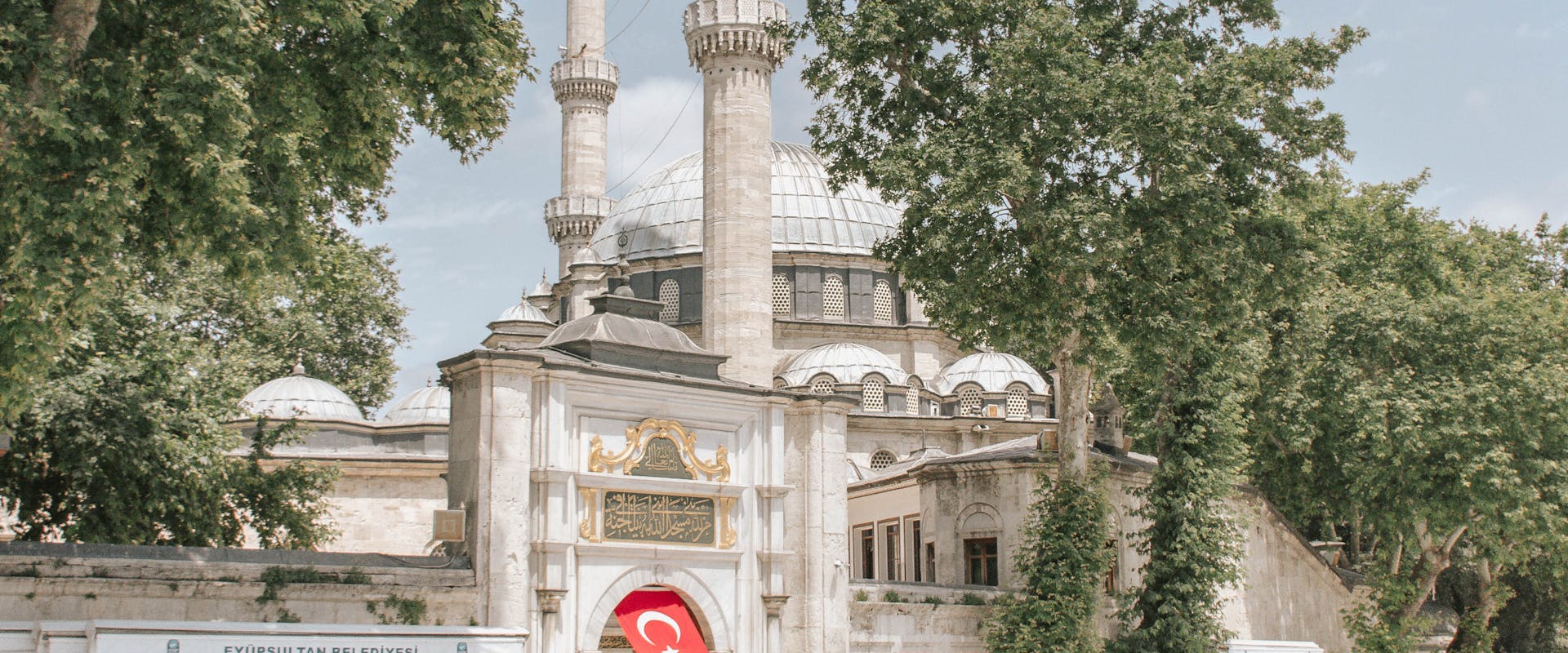
The Tradition of Muezzins
The muezzin profession is one of the most deep-rooted duties in Islamic history. Hz. Bilal al-Habashi is known as the first muezzin of Islam. The duty of muezzin at Eyüp Sultan Mosque has been carried out with great respect for centuries. During the Ottoman period, muezzins were selected for their beautiful voices and knowledge of maqams, and received special training. The title of grand mosque muezzin was an important distinction.
Adhan Maqams
In Ottoman tradition, the adhan was recited in a different maqam for each prayer time. The Saba maqam was preferred for the morning prayer, Rast for the noon prayer, Hijaz for the afternoon prayer, Segah for the evening prayer, and Ussak for the night prayer. This tradition is still being kept alive at Eyüp Sultan Mosque. The adhan recited in maqam leaves a deep spiritual impact on listeners.
The Adhan Today
Today, muezzins appointed by the Presidency of Religious Affairs serve at Eyüp Sultan Mosque. The adhan is called five times a day from the mosque's minarets through a speaker system. Friday adhans and those during Ramadan are particularly impressive. The tradition of chanting the sala for funeral announcements is also maintained.
The Adhan and Society
The adhan is not merely a call to prayer but also a rhythm setter for the community. Shopkeepers around Eyüp Sultan perform their prayers with the adhan and return to work. The morning adhan heralds the neighborhood's awakening, while the evening adhan announces the start of the iftar table. The sound of the adhan is an inseparable part of the Eyüp Sultan neighborhood's spiritual identity and one of the most impactful elements for visitors.