Iftar Time at Eyup Sultan Mosque: The Call to Prayer, Mahya Lights and the Etiquette of Breaking the Fast
04 November 2026 - Eyüp Sultan Camii
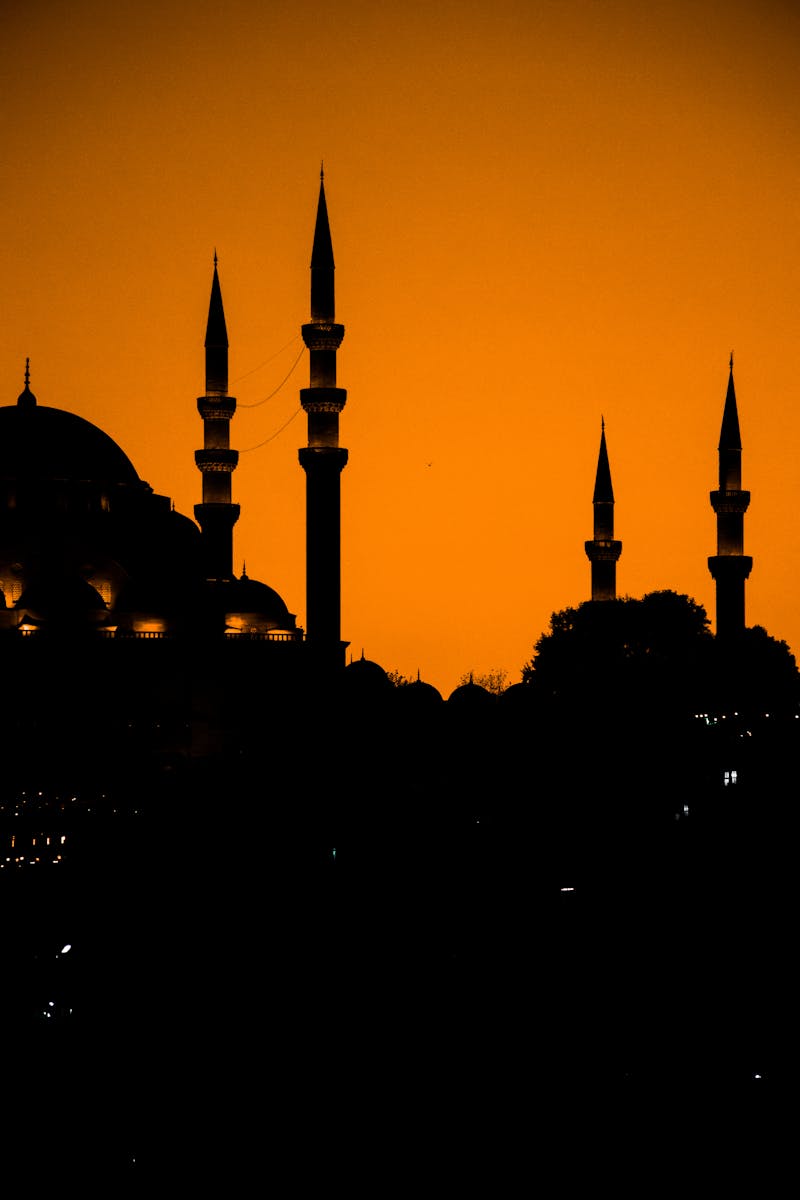
As the Sun Sets Over the Golden Horn
One of the most special moments of Ramadan at Eyup Sultan is the last half hour before iftar. As the sun sinks towards the waters of the Golden Horn, the mosque courtyard slowly fills. Families waiting with water bottles and packets of dates, visitors who have finished visiting the tomb looking for a place in the courtyard, people reciting the Quran beneath the centuries-old plane trees... This waiting is the most patient yet most peaceful moment of the fast.
These minutes are also among the times when prayers are accepted. The Prophet Muhammad (peace be upon him) said that the supplication of a fasting person at the time of breaking the fast is not rejected (Ibn Majah, Siyam 48). Instead of passing the time on the phone or in chatter, devoting it to supplication, remembrance and seeking forgiveness is the best way to make use of this precious time.
Heralds of Iftar from the Ottomans to Today
In Ottoman Istanbul, iftar time was announced by the iftar cannon fired from different points of the city. In times when clocks were rare, the sound of the cannon carried the news of iftar even to distant neighbourhoods the call to prayer could not reach. Children waited impatiently to hear it and ran home as soon as it sounded. Today the tradition is kept alive symbolically in some cities and districts.
Another symbol of Istanbul's Ramadans is the mahya: messages written with lamps strung on ropes between two minarets. Mahya is an art unique to the Ottomans, with almost no parallel elsewhere in the world. Messages such as "Welcome, O month of Ramadan" or "Sharing is beautiful", lit at iftar time, give meaning to the city's skyline. The Ramadan lights on the minarets of Eyup Sultan Mosque create a unique view when seen from the opposite shore of the Golden Horn and from Pierre Loti Hill.
Of course, the most beautiful herald of iftar is the call to prayer. The evening adhan rising from the minarets of Eyup Sultan Mosque turns into a scene unchanged for centuries, in which hundreds of people waiting in the courtyard say "Bismillah" and break their fast at the same moment.
Iftar in the Courtyard of Eyup Sultan Mosque
Throughout Ramadan, many visitors prefer to break their fast in the courtyard of Eyup Sultan Mosque or in the square around it. Some break their fast with a date and a sip of water and immediately stand for the evening prayer; others share a small spread they have brought with those around them. Breaking the fast at the same moment as strangers is one of the experiences that best conveys the spirit of brotherhood of Ramadan.
During Ramadan, various institutions in Eyupsultan may organise communal iftar tables and refreshments. Since the place and time of these events change from year to year, we recommend following current announcements before your visit. For restaurant suggestions where you can sit down for iftar, see our Iftar Venues and Restaurant Guide in Eyupsultan.
The Sunnah Etiquette of Breaking the Fast
The Prophet's recommendations about iftar are full of wisdom, both spiritually and in terms of health:
- Hastening to break the fast: "People will continue to be in goodness as long as they hasten to break the fast." (Bukhari, Sawm 45; Muslim, Siyam 48). It is Sunnah not to delay iftar once the time has come.
- Starting with dates or water: "When one of you breaks his fast, let him break it with dates; if he cannot find any, then with water, for it is purifying." (Abu Dawud, Sawm 21; Tirmidhi, Sawm 10). Dates gently raise blood sugar and prepare the stomach for food.
- Beginning with the basmala: As with every meal, iftar begins with "Bismillah" and food is eaten with the right hand.
- Reciting the iftar prayer: The iftar supplication is recited while or immediately after breaking the fast.
- Not delaying the evening prayer: Performing the evening prayer after a light iftar and then continuing the meal is in line with the Sunnah and lets the stomach adjust gradually.
- Moderation: Eating in moderation rather than filling the table at once after a day of hunger suits the disciplining spirit of Ramadan.
The Iftar Prayer
The iftar supplication commonly recited in Turkey is:
"Allahumma laka sumtu wa bika amantu wa 'alayka tawakkaltu wa 'ala rizqika aftartu."
Meaning: "O Allah! For You I have fasted, in You I believe, in You I put my trust, and with Your provision I break my fast."
It is also narrated that when the Prophet broke his fast he would say: "Dhahaba al-zama' wabtallat al-'uruq wa thabata al-ajru in sha Allah." "The thirst is gone, the veins are moistened, and the reward is confirmed, if Allah wills." (Abu Dawud, Sawm 22). For the Arabic text and a detailed explanation, visit our Iftar Prayer page.
The Virtue of Feeding a Fasting Person
Ramadan is the month of sharing and hospitality. The Prophet said: "Whoever provides iftar for a fasting person will have a reward like his, without the reward of the fasting person being diminished in any way." (Tirmidhi, Sawm 82).
This hadith explains why iftar tables are tables with open doors. In Ottoman mansions, doors were kept open to everyone throughout Ramadan and guests who came for iftar were hosted. According to a well-known tradition, in some mansions guests were given small gifts called "diş kirası" ("tooth rent") after iftar. Today, inviting a neighbour, a student or an elderly person living alone to iftar is the easiest way to keep this beautiful tradition alive. For the etiquette of hosting guests, read our article Hospitality in Islam.
From Iftar to Tarawih: A Ramadan Evening at Eyup Sultan
If you want to experience a full Ramadan evening at Eyup Sultan, we suggest the following programme:
- After the afternoon prayer: Come to Eyup Sultan Mosque and visit the tomb of Abu Ayyub al-Ansari.
- Before iftar: Take your place in the courtyard or the square and wait for iftar with supplication and remembrance.
- At iftar: Break your fast with dates and water at the call to prayer, then perform the evening prayer in congregation.
- Dinner: Complete your iftar at a local restaurant or at the spread you brought with you.
- Night prayer and tarawih: Perform the night prayer and tarawih at Eyup Sultan Mosque. For details, read our Tarawih Prayer Guide.
- After tarawih: Enjoy a cup of tea in the square and savour the Ramadan night.
Practical Information for an Iftar Visit
- Come early: The courtyard and square get very crowded, especially at weekends and in the last ten days of Ramadan. Arriving at least an hour before iftar helps you find a comfortable spot.
- Check the iftar time: Use our Istanbul Ramadan Timetable for the current iftar time.
- Prefer public transport: Traffic in the district is heavy at iftar time and parking is hard to find.
- Keep the place clean: If you have had iftar in the courtyard or square, be sure to collect your rubbish. Cleanliness is part of the respect owed to this sacred place.
- Mind the prayer rows: Since the evening prayer is performed right after iftar, avoid eating in the prayer rows.
- Be prepared for the Night of Power: Eyup Sultan hosts very large crowds on Laylat al-Qadr. For the supplication of that night, see our Laylat al-Qadr Prayer page.
Frequently Asked Questions About Iftar
Is the fast broken when the call to prayer begins?
The fast is broken at sunset, when the time of the evening prayer begins. When the iftar time in the timetable arrives, there is no need to wait for the adhan to finish.
What should I break my fast with if I cannot find dates?
The Sunnah is to break the fast with dates, or with water if dates are not available. The fast may also be broken with any other halal food or drink.
Should I pray the evening prayer first or eat first?
It is recommended to break the fast with something light, perform the evening prayer and then continue the meal. However, if the food is ready and one is very hungry, there is no harm in eating first and praying afterwards, as long as the prayer time is not missed.
Conclusion
Iftar is the moment when a day of patience turns into gratitude. A fast broken at Eyup Sultan Mosque, in the spiritual presence of Abu Ayyub al-Ansari, saying "Bismillah" together with hundreds of people at the same moment, conveys the spirit of unity of Ramadan in all its depth. This Ramadan, do not miss the chance to have at least one iftar at Eyup Sultan and share the experience with your loved ones.