Eyup Sultan Cemetery: Ottoman Tombstones
22 February 2026 - Eyüp Sultan Camii
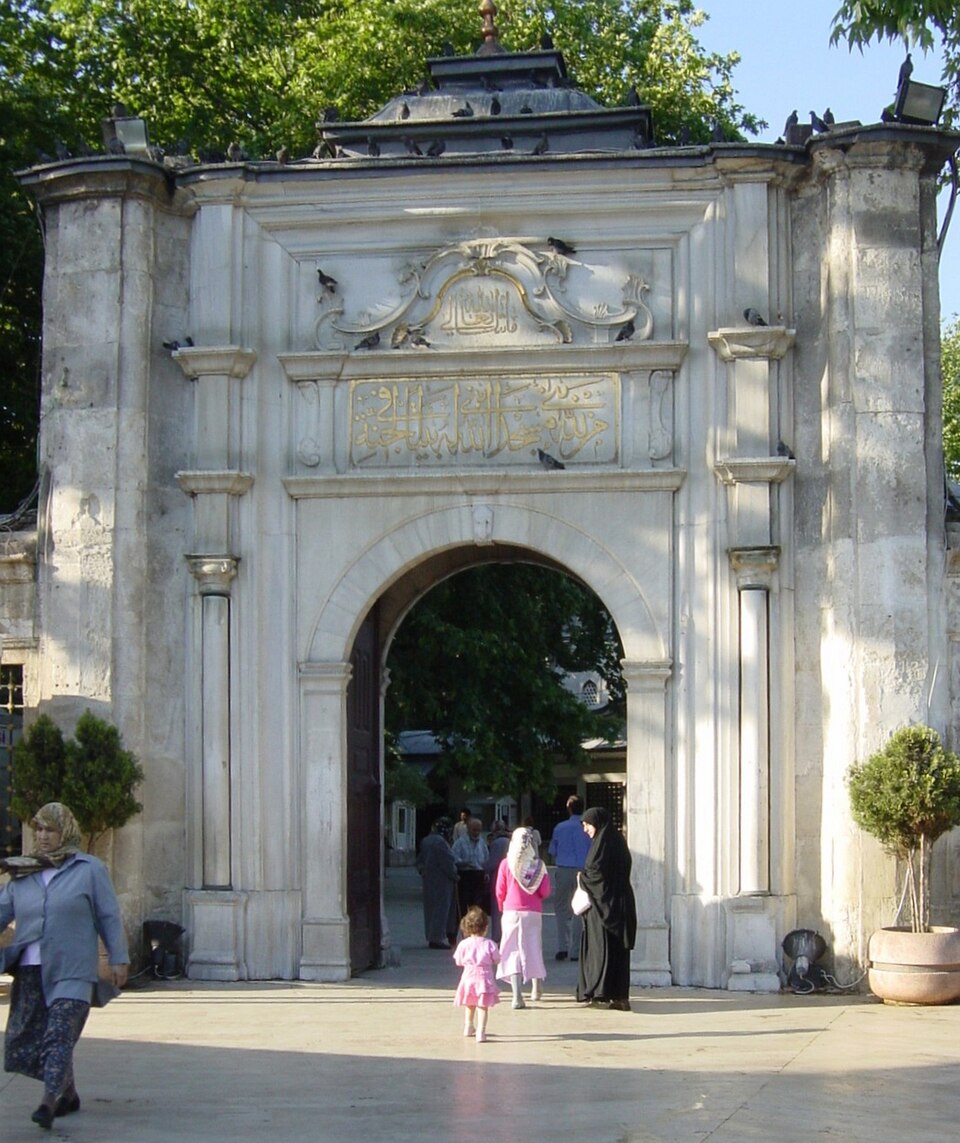
What is a Hazire?
A hazire is a cemetery area around a mosque or tomb. Eyüp Sultan Hazire is one of Istanbul's largest and most important Ottoman cemeteries. Statesmen, scholars, poets, and notable figures are buried here. The oldest tombstones in the hazire date back to the 15th century and contain the finest examples of Ottoman tombstone art.
Tombstone Symbols
The symbols on Ottoman tombstones indicate the person's profession, status, and gender. Male tombstones feature headgear such as kavuk, turban, or fez; these headpieces indicate the person's social position. Female graves commonly feature floral motifs, especially roses and tulips. The cypress tree symbolizes immortality, while a broken column represents death at a young age.
Notable Graves
The Eyüp Sultan Hazire contains the graves of many important Ottoman figures. Grand viziers, sheikhs al-Islam, viziers, and famous scholars are buried here. The family of Sokullu Mehmed Pasha, Pertevniyal Valide Sultan, and many members of the Ottoman dynasty rest in this cemetery. Each tombstone is like a window opening onto Ottoman history.
Preservation and Restoration
Historic tombstones are under threat from natural erosion and vandalism. Conservation work is carried out by the Ministry of Culture and foundations. Broken and toppled tombstones are being restored, and inscriptions are being read and digitized. Visitors are kindly asked not to touch or sit on the tombstones.