Eyup Sultan Cemetery and Famous Burials: History Written in Stone
15 January 2026 - Eyüp Sultan Camii
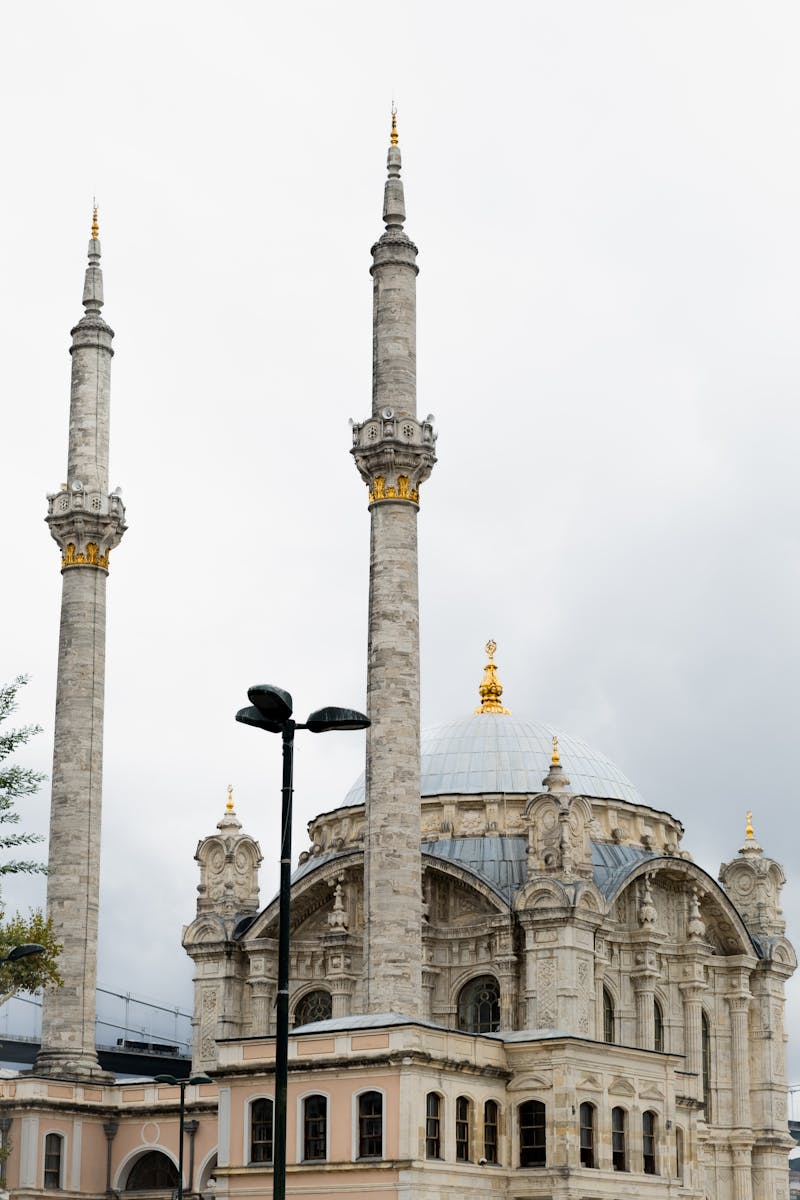
The hazire (courtyard cemetery) around Eyüp Sultan Mosque and Tomb and the vast Eyüpsultan Cemetery are the eternal resting place of the most important figures of the Ottoman Empire. To be buried beside Abu Ayyub al-Ansari was considered the greatest honor for centuries.
\n\nThe Significance of the Hazire
\n\nIn Ottoman culture, the hazire of a mosque, the cemetery section within the courtyard, was not an ordinary cemetery. To be buried in the hazire, one had to hold an important position in society or have made great charitable contributions to the mosque.
\n\nThe Eyüp Sultan Hazire is the most prestigious example of this tradition. Being buried here was a privilege reserved for grand viziers, shaykh al-islams, scholars, and great philanthropists. Each gravestone is a page of Ottoman art and cultural history.
\n\nFamous Burials
\n\nSome of the famous figures buried in and around the Eyüp Sultan Hazire:
\n\nSokollu Mehmed Pasha (d. 1579): One of the greatest statesmen of Ottoman history, he served as grand vizier during the reigns of Suleiman the Magnificent, Selim II, and Murad III. He is remembered together with his complex in Eyüpsultan.
\n\nMihrisah Valide Sultan (d. 1805): Mother of Selim III. She is known for her magnificent tomb and imaret in Eyüpsultan. The Mihrisah Imaret continues its charitable activities to this day.
\n\nSiyavush Pasha (d. 1593): One of the Ottoman grand viziers. His tomb near Eyüp Sultan reflects the architectural understanding of the era.
\n\nFerhat Pasha (d. 1595): A grand vizier who played a significant role in the Ottoman-Safavid wars. He is known for his successes on the Caucasus front.
\n\nHusrev Pasha: One of the Ottoman naval commanders. He is known for his contributions to naval history.
\n\nScholars and Sheikhs
\n\nEyüpsultan is a preferred burial place not only for statesmen but also for great scholars and Sufis.
\n\nThroughout the centuries, many shaykh al-islams, professors, and judges were buried here. Particularly leading sheikhs of the Bayramiyya, Naqshbandiyya, and Khalwatiyya orders bequeathed that they be buried near Eyüp Sultan.
\n\nGravestones: An Open-Air Museum
\n\nThe Eyüpsultan Cemetery is like an open-air museum of Ottoman gravestone art. Each gravestone reflects the artistic understanding, social structure, and death culture of its era.
\n\nHeadstones with kavuk and turban caps indicate the occupation and social status of the deceased. The difference between a grand vizier's gravestone and that of a tradesman can be understood from the shape and size of the kavuk.
\n\nWomen's gravestones are notable for their floral motifs and elegant lines. The carving of a broken rose motif on the stones of those who died young is among the most poignant examples of Ottoman death aesthetics.
\n\nEpitaphs were generally composed in verse form. Written by poets, these inscriptions describe the deceased's life, services, and date of death in poetic form. These epitaphs are valuable examples of Ottoman literature.
\n\nConservation and Restoration
\n\nThe gravestones in Eyüpsultan Cemetery and the hazires have suffered damage from natural effects over time. Restoration work carried out in recent years has contributed to the preservation of this unique cultural heritage.
\n\nThrough joint projects by Istanbul Metropolitan Municipality and Eyüpsultan Municipality, gravestones are being cleaned, broken ones repaired, and inscriptions read and recorded.
\n\n\n\n
The Eyüp Sultan Hazire and surrounding cemeteries are like a history book written in stone. Each gravestone tells the life story of a person, the artistic understanding of an era, and a civilization's view of death. Visitors to Eyüp Sultan should spend some time wandering through the hazire and listen to the stories of these silent witnesses.