What Is Inside Eyup Sultan Complex?
28 February 2026 - Eyüp Sultan Camii
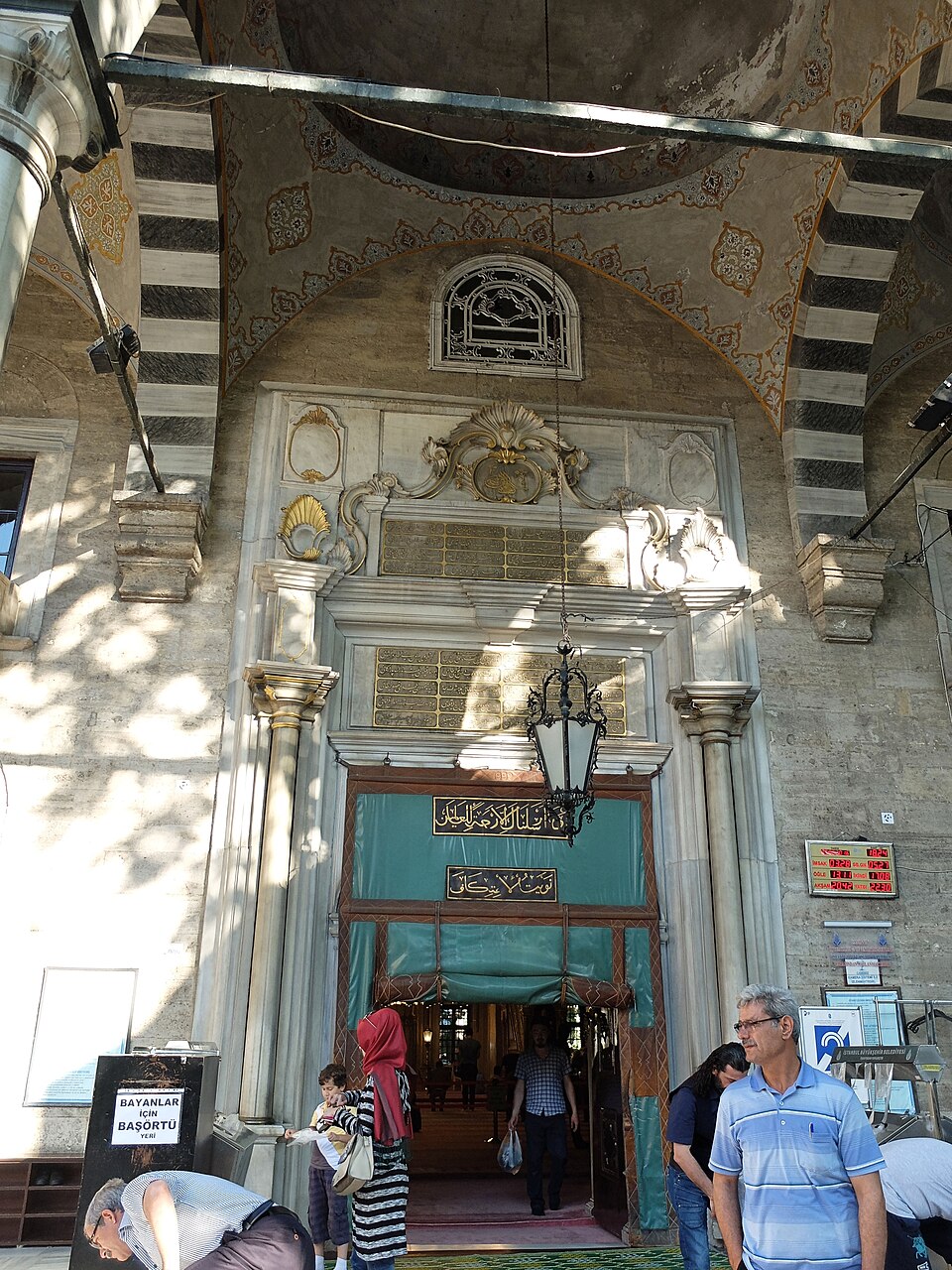
The Concept of Kulliye
In Ottoman architecture, a kulliye is a complex of social, educational, and charitable buildings gathered around a mosque. The Eyup Sultan Kulliye was built by Fatih Sultan Mehmet in 1458 and is one of the first great kulliyes established after the conquest of Istanbul. It has undergone many additions and renovations over the centuries.
Mosque and Tomb
At the center of the kulliye stands Eyup Sultan Mosque. The current structure was rebuilt during the reign of Selim III between 1798-1800. Adjacent to the mosque is the tomb of Abu Ayyub al-Ansari. The tomb is one of the holiest pilgrimage sites in Istanbul and is visited by millions of people each year.
Madrasa and Educational Buildings
The kulliye contains madrasa buildings dating from the Fatih period. Islamic sciences were taught in these madrasas for centuries. Today, some madrasa buildings have been restored and are used as cultural centers and educational venues. Quran courses are also offered within the kulliye.
Hammam, Imaret, and Other Structures
The kulliye includes the historical Eyup Sultan Hammam. In the tradition of the imaret (soup kitchen), food was distributed to the poor. Additionally, fountains, hazire (cemetery area), shadrvan (ablution fountain), and a library are also parts of the kulliye. All these structures reflect the Ottoman understanding of a social welfare state.