History of the Eyup Sultan District: From Antiquity to Today
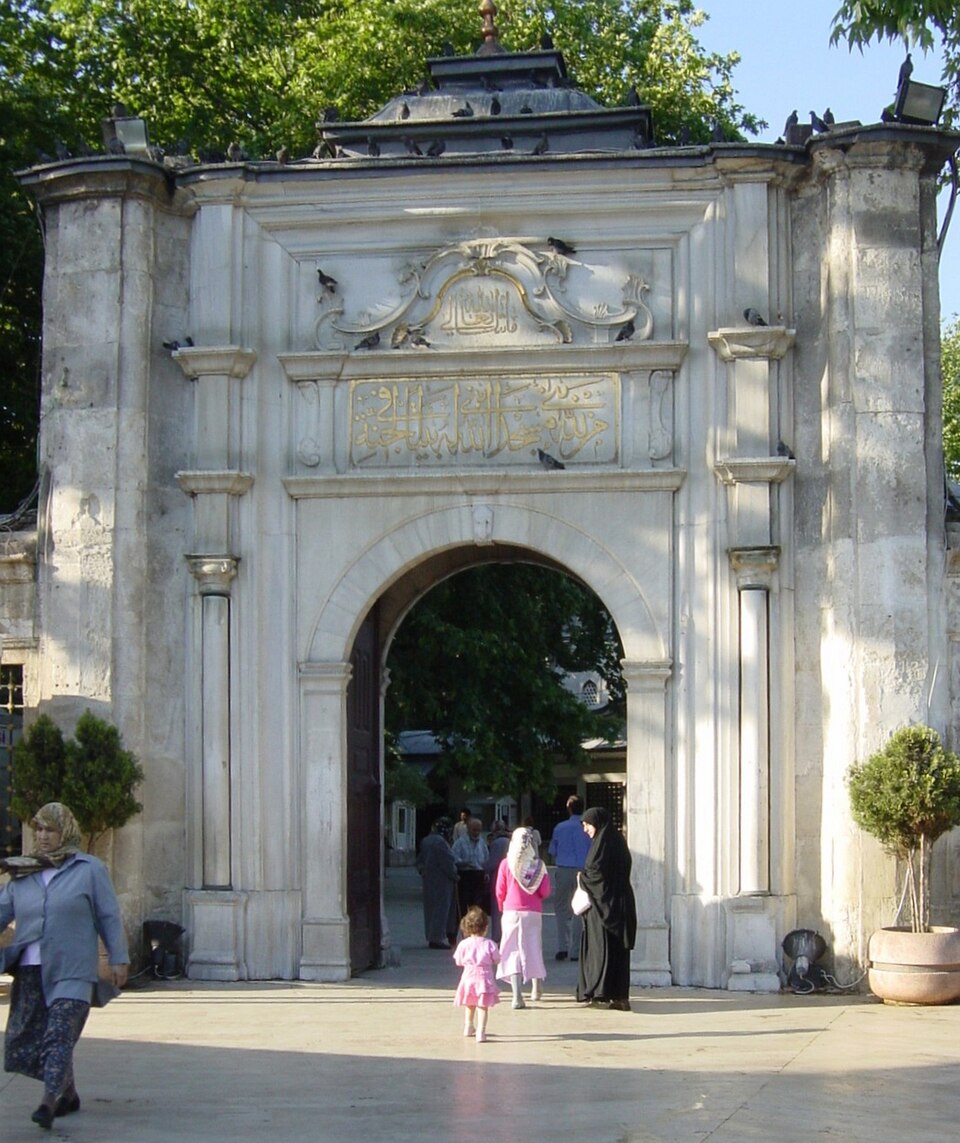
07 February 2026 - Eyüp Sultan Camii
Ancient Period and Byzantine Era
The Eyüp area has been a settlement since ancient times. Located at the far end of the Haliç, this area was known as Kosmidion during the Byzantine period. There was a monastery dedicated to Saints Cosmas and Damian in the area. Hz. Abu Ayyub al-Ansari was martyred here during the Arab siege between 674-678. Although the Byzantines knew of his grave, they showed respect to this area.
Ottoman Conquest and Golden Age
After the conquest of Istanbul in 1453, Fatih Sultan Mehmet had the tomb of Hz. Abu Ayyub al-Ansari discovered and built a tomb and mosque over it. From this date, Eyüp became Istanbul's most sacred district. The Ottoman dynasty and notables built complexes, madrasas, and charitable works here. The district began to be called "the Medina of Istanbul."
Decline and Republic Period
In the 19th century during the Ottoman decline, the Eyüp district also began to lose its former glory. With the proclamation of the Republic, the closure of dervish lodges and zawiyas affected the district's religious centrality. However, Eyüp Sultan Mosque and Tomb continued to attract visitors in every period. In the mid-20th century, the establishment of industrial facilities gave the district a different character.
Eyüp Today
Since the 2000s, the Eyüp district has undergone a comprehensive urban transformation. The cleaning of the Haliç, waterfront development, and restoration of historic buildings have given the district a new face. Today, Eyüp is one of the important centers of both religious tourism and cultural tourism. Millions of domestic and foreign tourists visit this historic district every year.