Visiting Etiquette for Eyüp Sultan Tomb: Everything You Need to Know
23 March 2026 - Eyüp Sultan Camii
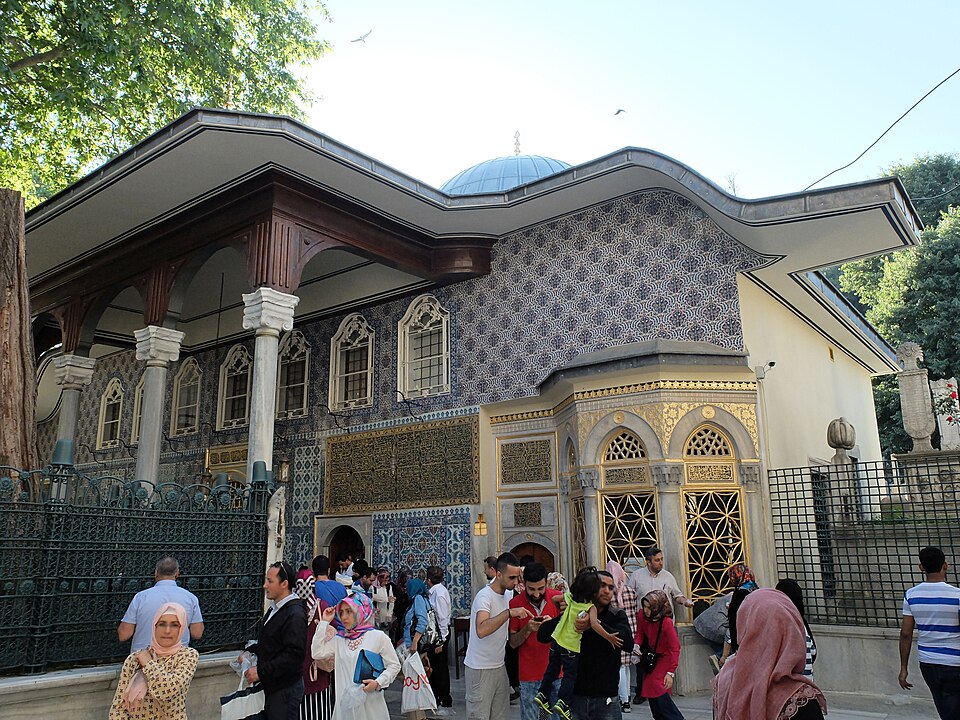
Visiting Etiquette for Eyüp Sultan Tomb: A Comprehensive Guide
Eyüp Sultan Tomb is one of Istanbul's most frequently visited spiritual sites. Built over the grave of Abu Ayyub al-Ansari, the loyal companion, standard-bearer, and host of Prophet Muhammad (peace be upon him), this tomb has been a sacred place of pilgrimage for Muslims for centuries. Observing proper etiquette and rules when visiting the tomb is of great importance, both spiritually and out of respect for other visitors. In this guide, we cover all the details you need to know when visiting the Eyüp Sultan Tomb.
The Spiritual Significance of Tomb Visitation
Abu Ayyub al-Ansari was one of the first Muslims to host the Prophet Muhammad (peace be upon him) in his home in Medina. During the Hijra, the Prophet's camel knelt at the location of Abu Ayyub's home, granting him this great honor. Despite his advanced age, he participated in the siege of Istanbul and passed away here. His tomb was discovered by Akshamsaddin after the conquest of Istanbul, and a mausoleum was built over it. This tomb, where Ottoman sultans girded their swords during enthronement ceremonies, remains one of the most important pilgrimage sites in the Islamic world. Visiting this place is an expression of paying respect to a companion of the Prophet and establishing a spiritual connection.
Preparation Before the Visit
There are certain preparations to make before visiting the tomb. First, performing ablution (wudu) is recommended as Sunnah and is spiritually advised. Clean and neat clothing should be worn; women should wear a headscarf, and men should avoid short clothing like shorts. Setting an intention before the visit and learning about the life of Abu Ayyub al-Ansari makes the visit more meaningful. Having a small prayer book or a prayer app on your phone will be useful. Setting out with a sincere intention in your heart is the most important preparation for the visit.
Entry Etiquette
When entering the tomb, stepping in with the right foot and saying "Bismillah" (In the name of God) is Sunnah. During entry, care should be taken to remain quiet, and speaking loudly should be avoided. Inside the tomb, phones should be set to silent mode, and behaviors such as taking selfies should be avoided. Stand respectfully around the sarcophagus and do not pass in front of other visitors who are seated and praying. It is important to keep children under control so as not to disturb the spiritual atmosphere of the tomb. Entry is free, and no tickets are required.
Recommended Prayers
The following prayers are recommended during tomb visitation:
- Surah Al-Fatiha: Reciting Al-Fatiha upon entering the tomb and at the sarcophagus is a traditional custom.
- Surah Yasin: It can be recited in full or partially; it is especially dedicated to the soul of the deceased.
- Surah Al-Ikhlas: Recited three times, with its reward dedicated to the soul of Abu Ayyub al-Ansari.
- Greeting prayer: Give salutations by saying "Peace be upon you, O Abu Ayyub al-Ansari, peace be upon you, O companion of the Messenger of God."
- Personal prayers: You may make your personal wishes and prayers at the sarcophagus. Asking God for beneficial things, seeking forgiveness, and expressing gratitude are appropriate behaviors.
Reading prayers silently or in a low voice is important so as not to disturb other visitors' peace. There are different opinions regarding touching the sarcophagus or rubbing one's face against it; praying respectfully and sincerely is sufficient.
Do's and Don'ts
Things to do:
- Visit in a state of ablution
- Maintain a respectful and quiet demeanor
- Wear clean and appropriate clothing
- Engage in prayer and remembrance of God
- Leave space for other visitors
- Perform two rakats of prayer after the visit (in the mosque)
Things to avoid:
- Speaking loudly or laughing
- Using flash when taking photographs
- Leaning or sitting on the sarcophagus
- Eating or drinking inside the tomb
- Having lengthy phone conversations
- Asking anyone other than God for help inside the tomb (to avoid shirk)
Visiting Hours
Eyüp Sultan Tomb is open for visits every day of the year. Daily visiting hours are generally from the morning prayer to the evening prayer. Tomb visits may be briefly paused during prayer times. The quietest visiting times are early mornings and afternoons on weekdays. The tomb is very crowded on Fridays, during Ramadan, on holy nights, and during religious holidays. Visiting hours may be extended on holidays. We recommend following the mosque's official communication channels for current visiting hours.
Information for Women
Female visitors can visit the tomb in the same manner as men. Wearing a headscarf is mandatory; headscarves are provided at the tomb entrance for visitors who do not have one. Clothing that covers the shoulders and knees should be worn. There are no separate sections for women and men inside the tomb; everyone can pray in the same area. There are different jurisprudential opinions regarding whether menstruating women can visit the tomb; the generally accepted view is that tomb visitation is permissible since it is not a prayer. However, one may act according to personal preference and their school of thought.
Visiting with Children
Visiting the tomb with children is a valuable opportunity to teach them about Islamic history and etiquette. However, since it may be difficult for young children to remain quiet inside the tomb, it is important to inform them about proper behavior beforehand. Explaining who Abu Ayyub al-Ansari was in age-appropriate language will make the visit more meaningful for children. Children should not be allowed to touch the sarcophagus or run around. While it is possible to enter the tomb with a stroller, it may be difficult during crowded hours. There are areas in the mosque courtyard where children can play; you can spend time there after the tomb visit.