The Role of Eyup Sultan Tomb During the Ottoman Era
15 February 2026 - Eyüp Sultan Camii
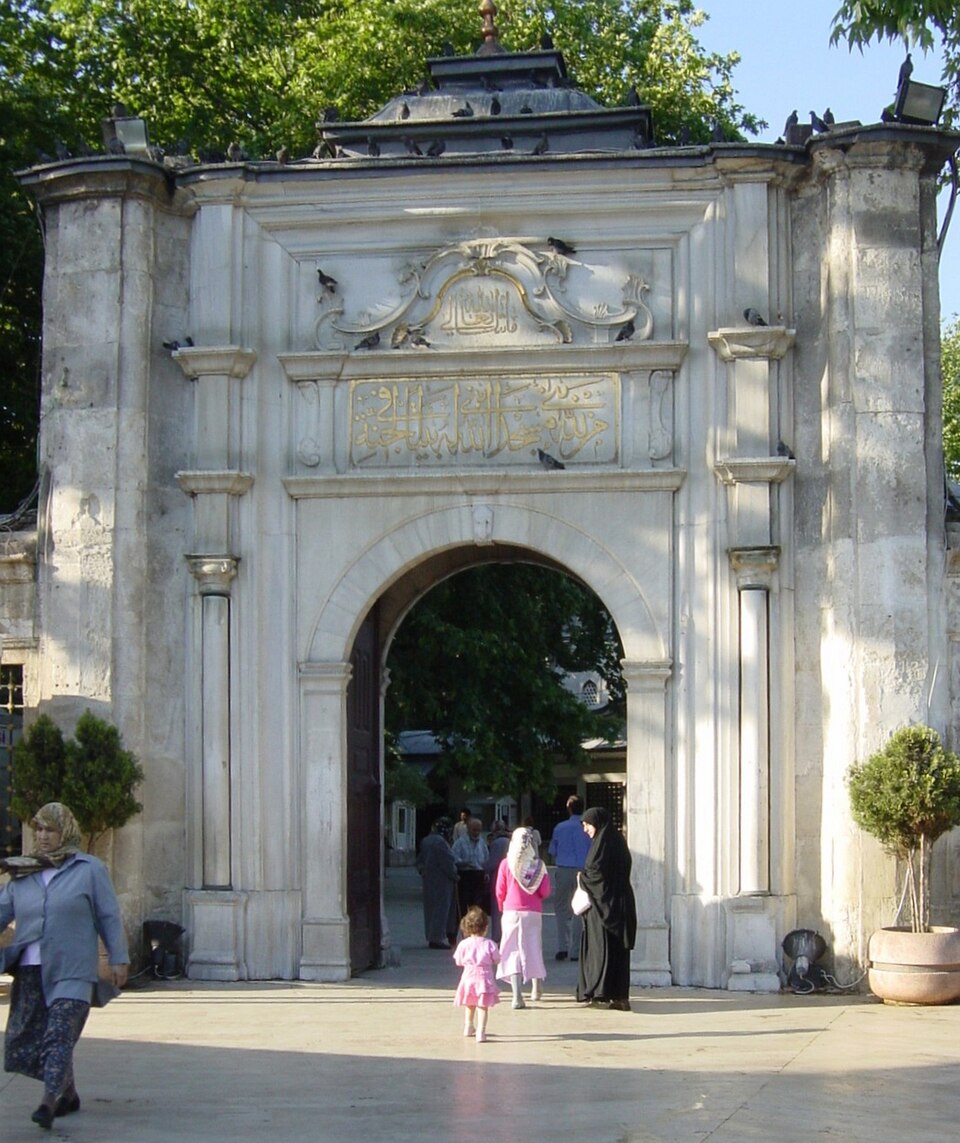
Sword-Girding Ceremony
Eyüp Sultan Tomb is the venue where one of the most important political ceremonies of the Ottoman Empire, the sword-girding ceremony, was held. Each new sultan who ascended the throne would gird the sword of Hz. Omar at Eyüp Sultan Tomb. This ceremony symbolized the sultan's legitimacy and also established a sacred bond as the Caliph of Islam. The sword was girded by the Sheikh al-Islam or a prominent religious scholar.
Sultans' Visiting Tradition
Ottoman sultans regularly visited Eyüp Sultan Tomb. Especially during Friday prayers, holidays, and before military campaigns, tomb visits were made. These visits were conducted with grand processions, with the sultan arriving at Eyüp by boat across the Haliç. During visits, prayers were recited, alms were distributed, and the Quran was read.
Spiritual and Political Center
The tomb was considered the spiritual heart of Istanbul by the public. During wartime, victory prayers were held here, and during famines and epidemics, people would flock here to pray. At the same time, the tomb visit during political crises held strategic significance for reinforcing the sultan's legitimacy. It was one of the unifying elements of Ottoman society.
Waqfs and Charitable Works
Numerous waqfs were established around Eyüp Sultan Tomb. Sultans and queen mothers built madrasas, soup kitchens, fountains, and libraries around the tomb. Through these waqfs, food was distributed to the poor, scholarships were given to students, and travelers were hosted. The Eyüp Sultan area was one of the regions with the most active Ottoman social welfare system.