Suhoor at Eyup Sultan: A Tradition from the Ramadan Drum to the Pre-Dawn Table
04 November 2026 - Eyüp Sultan Camii
What Is Suhoor and Why Does It Matter?
Suhoor is the meal eaten in the last part of the night, before the time of imsak (the beginning of the fast at dawn). The word comes from the Arabic root "sahar", meaning the time just before daybreak. Suhoor is not merely a meal to start the day with energy; it is a Sunnah recommended by the Prophet Muhammad (peace be upon him), who pointed to its blessing.
The Prophet said: "Take suhoor, for in suhoor there is blessing." (Bukhari, Sawm 20; Muslim, Siyam 45). Another narration recommends not abandoning suhoor even if it is only a sip of water. For this reason, scholars considered it praiseworthy for a person to wake for suhoor even with a few dates or a glass of water.
The blessing of suhoor is not only at the table. The pre-dawn hours are praised in the Quran: "And in the hours before dawn they would ask forgiveness." (Adh-Dhariyat, 18). Those who wake for suhoor also gain the chance to pray, seek forgiveness and perform the night prayer (tahajjud) in one of the most precious hours of the night.
Suhoor and the Ramadan Drummer in Ottoman Istanbul
In Ottoman Istanbul, Ramadan transformed the rhythm of the entire city. Streets that were quiet during the day lit up with oil lamps after iftar, conversation gatherings formed after tarawih, and after midnight the neighbourhoods began preparing for suhoor. The most colourful symbol of this order was undoubtedly the Ramadan drummer.
In times when not every home had a clock, drummers walked from neighbourhood to neighbourhood to wake people for suhoor. They did not only beat their drums; they recited rhymes and Ramadan mâni (short folk verses), often mentioning the names of the households. These verses formed an oral literature passed down from generation to generation.
In the last days of Ramadan, drummers went door to door collecting tips, and households gave them money, food or gifts. This was seen as a reward for a month of interrupted sleep and was a beautiful example of neighbourhood solidarity. Today, in many Istanbul neighbourhoods, drummers licensed by the municipalities continue this tradition.
Because Eyup was one of the spiritual centres of Istanbul in the Ottoman period, Ramadan traditions were always lived more intensely here. Remembrance (dhikr) and conversations continued through the night around the lodges, madrasas and tombs, and as suhoor approached, the sound of drums rose from the neighbourhoods along the Golden Horn.
The Suhoor Atmosphere at Eyup Sultan Today
During Ramadan nights, Eyup Sultan is one of the liveliest yet most peaceful districts of Istanbul. After the tarawih prayer, the mosque courtyard and square remain crowded for a long time; families, young people and visitors from all over the city visit the tomb, drink tea and talk. Although the crowd thins as the night goes on, the district never fully sleeps.
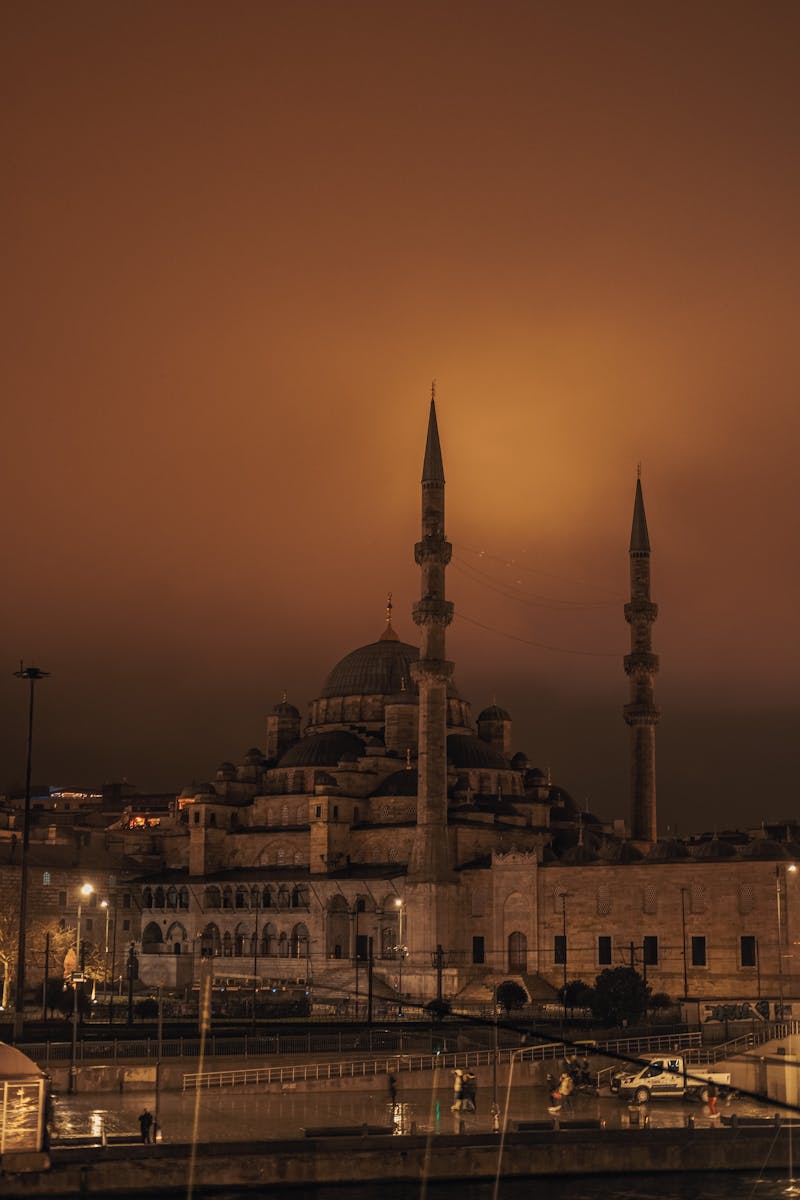
Towards suhoor, the atmosphere at Eyup Sultan is entirely different. In the silence of the night you can feel the coolness of the Golden Horn and see the lights of the minarets reflected on the water. Some visitors have suhoor at local eateries and cafés open through the night, then perform the dawn (fajr) prayer in congregation at Eyup Sultan Mosque. Being in the spiritual presence of Hazrat Eyup Sultan at the pre-dawn hour is, for many, one of the most unforgettable moments of Ramadan.
If you are wondering which places are open for suhoor in the district, see our guide Where to Have Suhoor Around Eyup Sultan Mosque?
Practical Tips for a Suhoor Visit to Eyup Sultan
- Check the imsak time in advance: Imsak changes by a few minutes every day. Follow our Istanbul Ramadan Timetable and aim to finish eating a few minutes before imsak.
- Plan your transport: Public transport may be limited late at night. Check private car, taxi or night service options beforehand.
- Dress warmly: When Ramadan falls in winter, nights and early mornings by the Golden Horn can be quite cold and damp.
- Pray fajr in congregation: Performing the dawn prayer at Eyup Sultan Mosque after suhoor completes the spiritual value of the night.
- Check tomb visiting hours: Visiting hours of the tomb may change during Ramadan; check the current information before your visit.
- Respect the silence: Night and pre-dawn hours are resting time for local residents. Avoid speaking loudly or sounding car horns.
What to Pay Attention to at Suhoor
Suhoor is the most important meal of the day, because it provides the energy and fluids the body will need throughout the fast. To make suhoor both in line with the Sunnah and healthy, keep the following in mind:
- Do not skip suhoor: Eating late at night and skipping suhoor increases hunger and fatigue during the day. Wake up so as not to miss its blessing.
- Delay suhoor: The Sunnah is to eat suhoor close to imsak, while leaving a few minutes of margin so as not to miss it.
- Choose filling foods: Eggs, cheese, yoghurt, wholegrain bread, oats and olives keep you full for longer.
- Avoid salty and fried foods: Cured meats, pickles and very salty cheeses increase thirst during the day.
- Drink enough water: Rather than drinking a lot of water at once at suhoor, spread your intake between iftar and suhoor.
- Limit tea and coffee: Caffeinated drinks have a diuretic effect and can increase fluid loss.
For more detailed information on suhoor and iftar menus, read our Healthy Suhoor and Iftar Guide for Ramadan.
The Suhoor Prayer and the Intention to Fast
Intention (niyyah) is a condition of fasting, and its place is the heart. Simply waking up for suhoor with the aim of fasting counts as intention. It is also good to express it verbally: "I intend to fast today's Ramadan fast for the sake of Allah."
It is recommended to begin the suhoor meal with the basmala, to praise Allah after eating, and to make supplication benefiting from the blessing of the pre-dawn hour. You can find the Arabic text and meaning on our Suhoor Prayer and Intention for Fasting pages.
Frequently Asked Questions About Suhoor
Is my fast valid if I miss suhoor?
Yes. Suhoor is Sunnah, not a condition for the validity of the fast. A person who misses suhoor can still fast by making the intention during the day (according to the Hanafi school, until shortly before midday).
What if I eat or drink after imsak?
If a person eats or drinks without knowing that imsak has begun, the fast is broken and that day must be made up; no expiation (kaffarah) is required. This is why checking the imsak time in advance is so important.
Can I keep eating while the call to prayer is recited?
You should stop eating at the time of imsak. Rely on the time in the timetable rather than waiting for the adhan.
What is the best time for suhoor?
In accordance with the Sunnah, suhoor should be left to the last part of the night, close to imsak. It is narrated that between the Prophet's suhoor and the dawn prayer there was time enough to recite about fifty verses (Bukhari, Sawm 19).
Conclusion: The Blessing of the Pre-Dawn Hour
Suhoor is one of the quietest yet most blessed moments of Ramadan. Neighbourhoods waking to the sound of the drum, families gathering at the table and hands raised in prayer at dawn are part of a tradition that has lasted for centuries. This Ramadan, try to have suhoor at least one night in the spiritual atmosphere of Eyup Sultan and perform the dawn prayer at Eyup Sultan Mosque. A dawn welcomed in the presence of Abu Ayyub al-Ansari may become the most precious of your Ramadan memories.