Circumcision Ceremony Tradition at Eyup Sultan: From Ottoman Era to Today
28 February 2026 - Eyüp Sultan Camii
Circumcision Ceremonies of Ottoman Princes
In the Ottoman Empire, the circumcision ceremonies of princes were among the most magnificent celebrations of the empire. These ceremonies lasted for days, and the entire population of Istanbul would participate in the festivities. Eyup Sultan Mosque was the spiritual center of these celebrations; visiting the tomb of Abu Ayyub before the circumcision was an indispensable tradition.
In 1582, the circumcision celebration of Prince Mehmed, son of Murad III, was recorded as one of the greatest circumcision festivities in history. These celebrations, which lasted 52 days, were described in detail in Intizami's work called "Surname-i Humayun."
Circumcision at Eyup Sultan Today
Today, many families in Istanbul hold their children's circumcision ceremonies at Eyup Sultan. Traditionally:
- Children visit the Eyup Sultan Tomb in white circumcision outfits
- Prayers are made at the tomb and a spiritual beginning is wished for the child
- Prayer is performed at the mosque
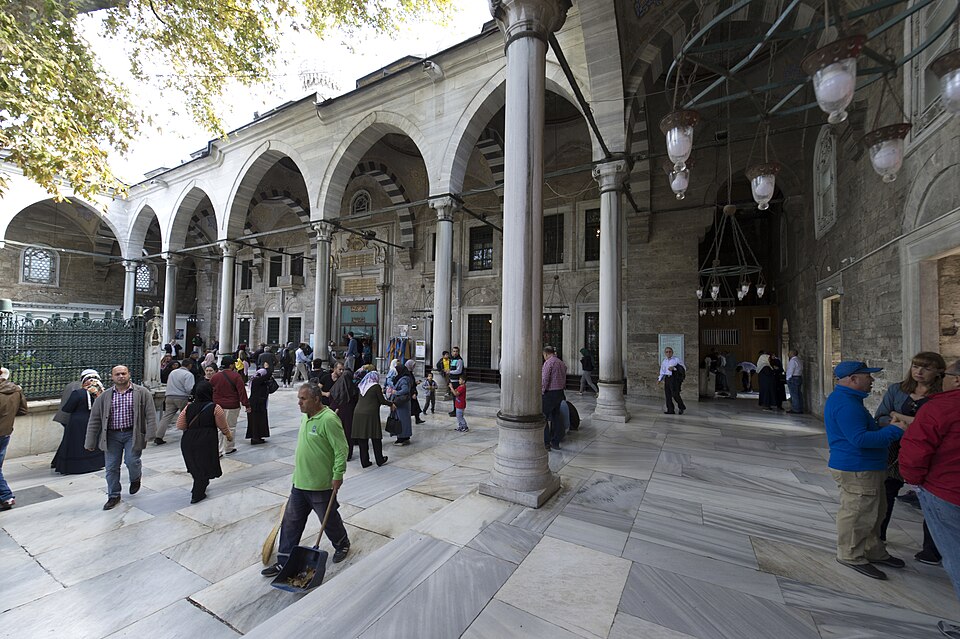
- Family photographs are taken in the courtyard and surroundings
- The circumcision ceremony follows
Municipal Mass Circumcision Events
Eyupsultan Municipality organizes mass circumcision events every summer. Free circumcision services are provided for children of families with limited financial means, and gifts are distributed to the children. These events are a modern continuation of the Ottoman "circumcision celebration" tradition.
The Tradition of Mawlid Recitation
Having a Mawlid recited at Eyup Sultan Mosque on the occasion of circumcision ceremonies is also a widespread tradition. The Mawlid al-Sharif, penned by Suleyman Celebi, is recited by hafizes, followed by prayers. This tradition has continued uninterrupted from the Ottoman era to the present day.