Cleanliness and Purification in Islam
03 September 2025 - Eyüp Sultan Camii
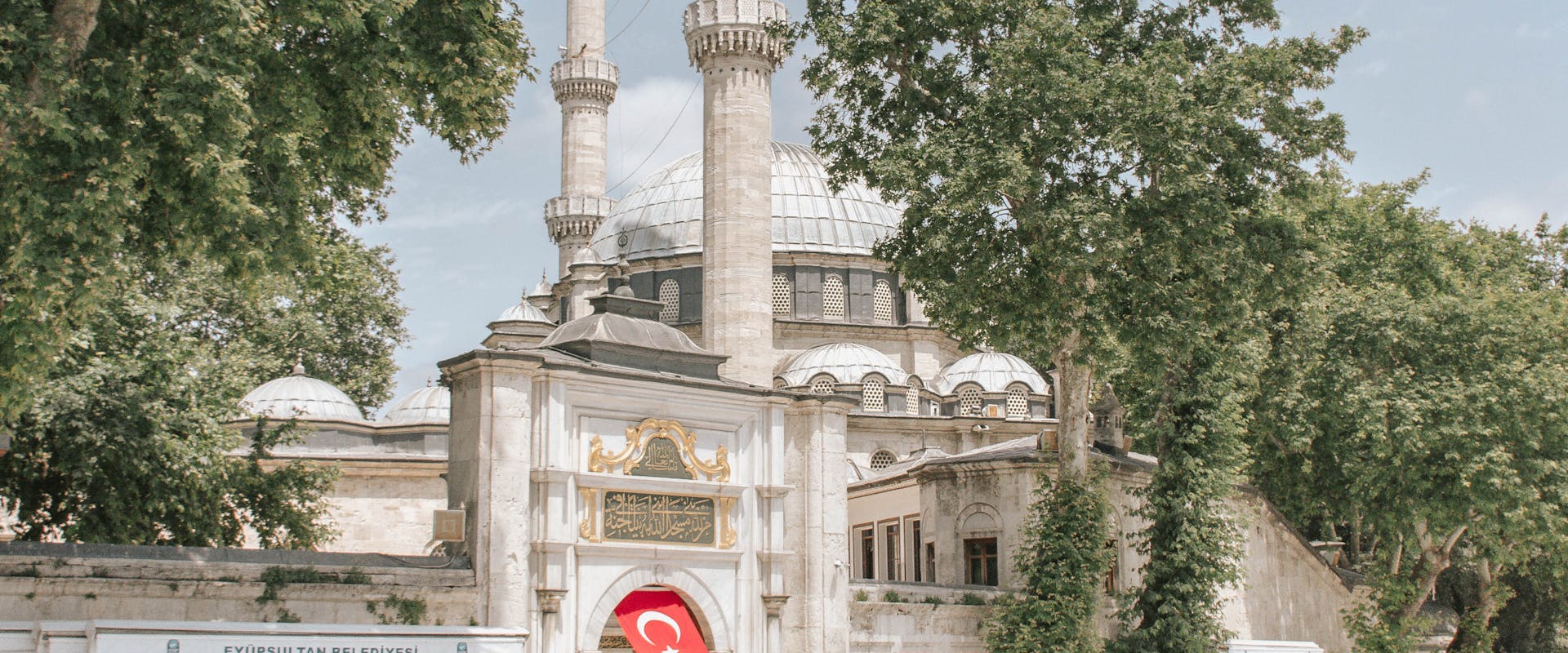
Eyüp Sultan Camii
03 September 2025
291 views
temizlikabdestgusültaharetsünnet
The importance Islam places on cleanliness, ablution and ghusl, and the concepts of physical and spiritual purification.
<p>Cleanliness is one of the most fundamental values in Islam, and Prophet Muhammad (peace be upon him) expressed its importance most beautifully by saying: "Cleanliness is half of faith." Islam places great importance on both physical and spiritual cleanliness. Body cleanliness, clothing cleanliness, and environmental cleanliness are inseparable parts of a Muslim's daily life. Being in a state of ablution (wudu) is a prerequisite for performing prayer, and ablution serves as both a physical and spiritual means of purification.
<br/>
<br/>Ablution is one of the most frequently repeated acts of worship in Islam. Washing the face, washing the arms up to the elbows, wiping the head, and washing the feet up to the ankles are the obligatory acts of ablution. Prophet Muhammad (peace be upon him) stated that sins flow away with the water while washing each limb during ablution. Taking ablution is not just physical cleansing but also spiritual preparation before worship. Remaining in a state of ablution and renewing it before it is broken is considered recommended.
<br/>
<br/>Ghusl (full ritual bath) is the major purification that requires washing the entire body. Ghusl is required after sexual impurity, after the end of women's menstrual cycles, and for a person who embraces Islam. Performing ghusl on Friday is a sunnah practice that earns great reward. In ghusl, rinsing the mouth and nose and then washing the entire body are obligatory. When water is not available or cannot be used, tayammum (dry ablution) is performed as an alternative.
<br/>
<br/>Spiritual cleanliness in Islam is at least as important as physical cleanliness. Removing negative feelings from the heart, not harboring grudges and jealousy, not backbiting, and staying away from lies are elements of spiritual purity. In Surah Ash-Shams, it is stated: "Successful indeed is the one who purifies their soul, and failed indeed is the one who corrupts it." Repentance (tawbah) and seeking forgiveness (istighfar) are the most effective ways to purify oneself from spiritual impurities.
<br/>
<br/>Islamic civilization has been a pioneer in cleanliness throughout history. Bathhouse culture, fountains and public drinking facilities, and ablution areas are concrete indicators of the importance Islamic societies placed on cleanliness. During the Ottoman period, hundreds of bathhouses and thousands of fountains were built in Istanbul. Using the miswak (natural toothbrush) for dental hygiene is one of the important sunnahs of the Prophet. Every Muslim should place cleanliness at the center of their life and take care to keep both their body and soul clean.</p>