A Healthy Suhoor and Iftar Guide for Ramadan: What to Eat and What to Avoid
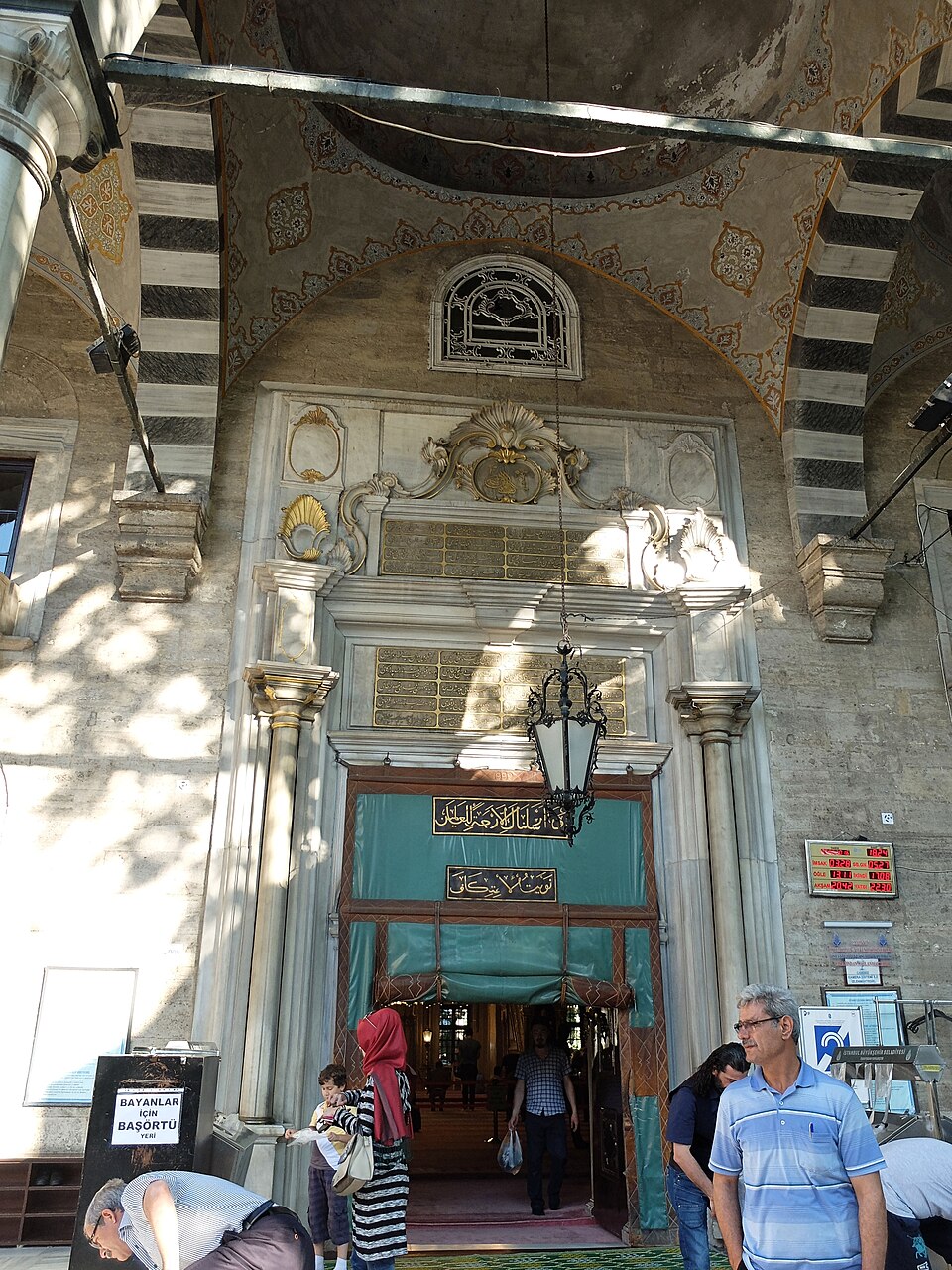
04 November 2026 - Eyüp Sultan Camii
Fasting and Nutrition: Finding the Balance
Fasting is not merely an act of worship that keeps a person from eating and drinking; it is also a school that disciplines the self and teaches moderation. The Prophet Muhammad (peace be upon him) said: "The son of Adam fills no vessel worse than his stomach. A few morsels that keep his back straight are sufficient for him. If he must eat more, then a third for food, a third for drink and a third for breath." (Tirmidhi, Zuhd 47).
Unfortunately, for many people Ramadan turns into a month of weight gain, indigestion and fatigue. The main reasons are skipping suhoor and overeating all at once at iftar. With a proper suhoor and iftar routine, however, Ramadan can be a month in which the body also rests and renews itself.
Note: The information in this article is general advice. People with chronic conditions such as diabetes, high blood pressure or kidney disease, pregnant and breastfeeding mothers, and those taking regular medication should consult their doctor before fasting.
What to Eat at Suhoor
Suhoor is the fuel for the hunger and thirst of the whole day. The aim at this meal is to choose foods that are digested slowly and keep you full for a long time.
- Protein sources: Eggs (boiled, menemen or omelette), low-salt white cheese, curd cheese and yoghurt prolong satiety.
- Complex carbohydrates: Wholewheat or rye bread, oats and bulgur keep blood sugar stable.
- Fibre-rich foods: Tomatoes, cucumbers, greens and seasonal vegetables aid digestion and provide water.
- Healthy fats: Olives, olive oil and a handful of raw nuts (walnuts, almonds, hazelnuts) provide energy.
- Dates and dried fruit: A few dates or dried apricots are both in line with the Sunnah and a natural source of energy.
- Milk and ayran: A glass of milk or low-salt ayran (yoghurt drink) contributes to fluid and protein needs.
What to Avoid at Suhoor
- Very salty foods: Sucuk, pastirma, salami, pickles and salty cheeses cause intense thirst during the day.
- Fried and heavy foods: Pastries, fried foods and fatty dishes can cause indigestion and heartburn.
- Sugary foods: Desserts, jam and white bread raise and drop blood sugar quickly, making you hungry soon.
- Too much tea and coffee: Caffeine increases fluid loss. One or two glasses of light tea at suhoor are enough.
- Skipping suhoor: Eating late at night and going to bed is the same as skipping suhoor. No other meal can replace suhoor, both as Sunnah and for health.
The Right Order at Iftar
When a stomach that has been empty for a long time suddenly meets a heavy meal, indigestion, bloating and fatigue follow. Breaking the fast in stages is the best way both according to the Sunnah and for health:
- 1. Dates and water: Break your fast with one or two dates and a glass of water. Dates gently raise blood sugar and water prepares the body for food.
- 2. Soup: A light soup such as lentil, ezogelin, vegetable or tarhana warms the stomach and starts digestion.
- 3. Take a break: Performing the evening prayer at this point is the best way to give the stomach a 10-15 minute rest.
- 4. Main course: Grilled, baked or boiled meat, chicken, fish or a legume dish, with bulgur pilaf or wholegrain bread.
- 5. Salad and yoghurt: A seasonal salad and yoghurt support digestion with fibre and probiotics.
- 6. Wait for dessert and fruit: Have dessert or fruit one or two hours after iftar, preferably after tarawih.
Water Intake: The Most Critical Issue of Ramadan
The headaches, fatigue and loss of concentration a fasting person experiences during the day are very often caused by insufficient fluid intake. To meet daily fluid needs in the short time between iftar and suhoor:
- Aim to drink about 8-10 glasses (2-2.5 litres) of water in total between iftar and suhoor.
- Spread your intake, drinking one or two glasses every hour rather than all at once.
- Prefer drinking water half an hour after a meal rather than a lot during it.
- Foods with high water content such as cucumber, tomato, watermelon, melon and soup also help.
- Fizzy and sugary drinks do not quench thirst; choose water, ayran, compote or hoşaf instead.
Sample Suhoor Menus
Menu 1 – Classic breakfast suhoor: 2 boiled eggs, 1 slice of low-salt white cheese, 5-6 olives, tomato, cucumber and parsley, 2 slices of wholewheat bread, 2 walnuts, 1 glass of milk or light tea.
Menu 2 – Warm suhoor: A bowl of lentil soup or menemen, with yoghurt, green salad and 1-2 slices of wholegrain bread.
Menu 3 – Quick suhoor: Oats prepared with milk or yoghurt, topped with banana, cinnamon and a handful of almonds; with 2-3 dates and plenty of water.
Sample Iftar Menus
Menu 1: Dates and water, lentil soup, baked chicken with vegetables, bulgur pilaf, cacık (yoghurt with cucumber); a bowl of güllaç two hours after iftar.
Menu 2: Dates and water, ezogelin soup, green beans in olive oil, grilled meatballs, shepherd's salad, ayran; seasonal fruit after tarawih.
Menu 3: Dates and water, vegetable soup, baked fish, rocket salad, wholegrain bread; later in the evening a bowl of rice pudding or hoşaf.
Traditional Ramadan Delicacies
Istanbul's Ramadans are also known for their unique flavours. Enjoying them in moderation is the best way to savour Ramadan:
- Ramadan pide: The queues in front of bakeries before iftar are an essential sight of Istanbul's Ramadans. Pide with sesame and nigella seeds is delicious when warm, but since it is made from white flour, watch the quantity.
- Güllaç: This dessert, which has come down from the Ottoman palace kitchen and is made with milk and thin starch sheets, is a much lighter option than syrup-soaked desserts.
- Dates: The foremost Sunnah food for breaking the fast, a source of fibre, potassium and natural sugar.
- Hoşaf and compote: Made with dried fruit, hoşaf was an essential drink of Ottoman tables and helps meet fluid needs.
- Iftar platters: Plates of olives, cheeses, dried fruits and nuts are ideal for gently breaking the fast.
Common Eating Mistakes During Ramadan
- Eating too fast at iftar: It takes about 20 minutes for the feeling of fullness to reach the brain. Eating quickly leads to overeating without noticing.
- Lying down right after iftar: Lying down immediately after eating can cause reflux and indigestion. The tarawih prayer and a light walk aid digestion.
- Eating syrupy desserts every day: Instead of baklava and syrupy desserts, choose milk-based desserts or fruit once or twice a week.
- Snacking all night: Constant snacking between iftar and suhoor does not let the digestive system rest and leads to weight gain.
- Neglecting sleep: Insufficient sleep increases hunger and fatigue during the day. Going to bed early after tarawih and waking rested for suhoor is important.
Movement and Rest During Ramadan
Intense exercise during the day while fasting is not recommended. A light walk one or two hours after iftar is ideal instead. A nice suggestion for visitors to Eyup Sultan: after iftar, walking from Eyup Sultan Mosque up towards Pierre Loti Hill or strolling along the Golden Horn shore aids digestion and lets you breathe in the spiritual atmosphere of the Ramadan night. The tarawih prayer itself is also a gentle form of physical activity.
Conclusion: A Moderate Table, a Blessed Ramadan
Filling foods at suhoor and a light, balanced iftar are the key to spending Ramadan productively in body and soul. Remember that the true aim of fasting is to discipline the self and learn gratitude; a moderate table serves that aim best. For current imsak and iftar times see our Istanbul Ramadan Timetable, and for the etiquette of suhoor and iftar read Suhoor at Eyup Sultan and Iftar Time at Eyup Sultan Mosque. You can also explore the hadith "Fasting Is a Shield".