Laylat al-Raghaib 2026: A Guide to the Holy Night at Eyup Sultan
05 November 2026 - Eyüp Sultan Camii
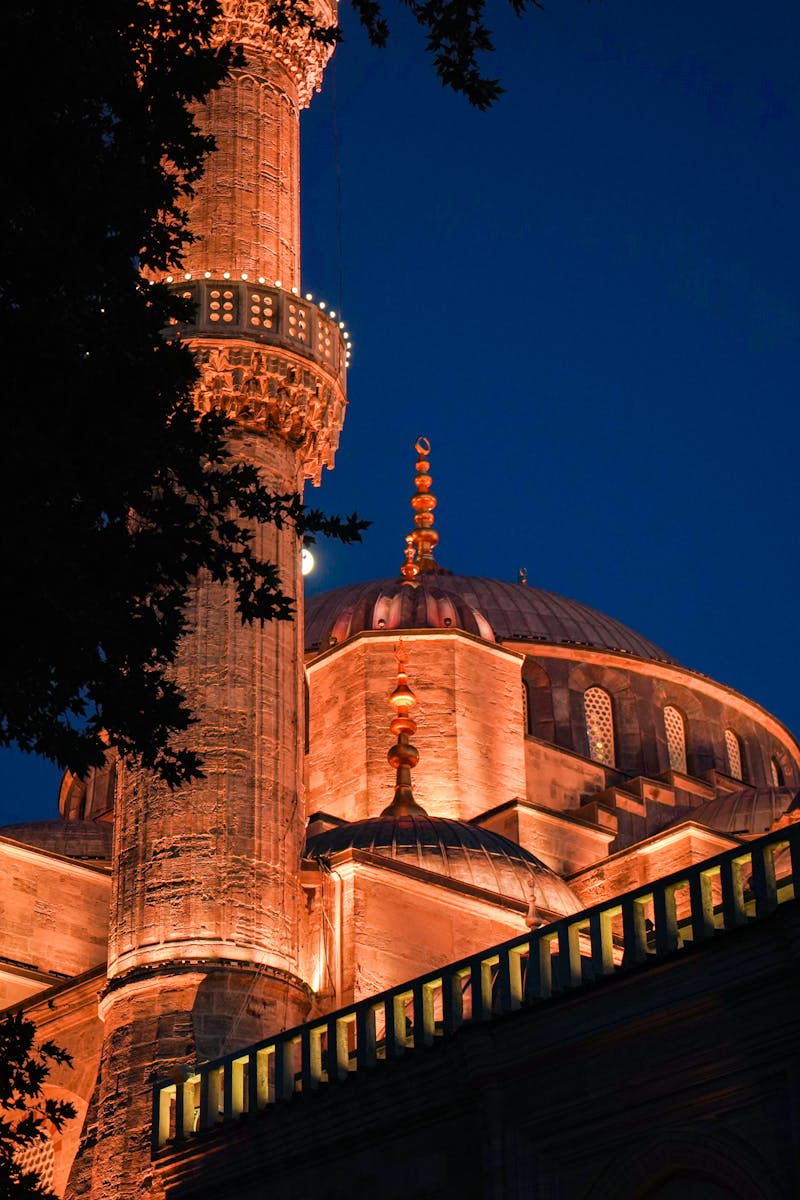
When Is Laylat al-Raghaib in 2026?
According to the religious calendar of the Turkish Presidency of Religious Affairs (Diyanet), Regaip Kandili (Laylat al-Raghaib) falls on Thursday, 10 December 2026. The holy night begins with the sunset prayer on Thursday evening and lasts until Friday morning. The three holy months of Rajab, Sha'ban and Ramadan begin on the same day.
Laylat al-Raghaib is the first Friday night of the Hijri month of Rajab, that is, the night that joins the first Thursday of Rajab to Friday. For this reason its date moves about eleven days earlier every year.
What Does "Raghaib" Mean?
Raghaib is the plural of the Arabic word "raghiba" and means "things that are desired, precious gifts and abundant favours". It is regarded as a night when believers turn towards the mercy and generosity of Allah, and as the herald of the three holy months.
The tradition of spending these nights in worship became widespread especially in the Ottoman period. It is said that the custom of lighting lamps (kandil) on minarets on these nights began in the reign of Sultan Selim II, which is where the Turkish name "kandil night" comes from. The kandil simit sold in Istanbul, the crowds flowing to the mosques and the greetings exchanged between families are the living traces of this tradition.
The Start of the Holy Months and the Rajab Prayer
It is narrated that when the month of Rajab began, the Prophet (peace be upon him) would pray: "Allahumma barik lana fi Rajaba wa Sha'bana wa ballighna Ramadan", meaning "O Allah, bless Rajab and Sha'ban for us and let us reach Ramadan." (Ahmad ibn Hanbal, Musnad, I, 259). Although hadith scholars consider its chain of narration weak, its beautiful meaning has made it a supplication recited at the start of the holy months for centuries.
The three months are a time of spiritual preparation for Ramadan. The journey that begins in Rajab continues with Laylat al-Baraat in Sha'ban and reaches its peak with Laylat al-Qadr in Ramadan. See our Three Holy Months 2026-2027 guide for all dates.
How to Spend the Night of Raghaib
Neither the Quran nor the authentic Sunnah prescribes a specific prayer with a set number of units for this night. The narrations about a special "Raghaib prayer" are not accepted as authentic by hadith scholars. The night is therefore spent with the general acts of worship each believer can perform:
- Praying the obligatory prayers in congregation: Praying maghrib and isha in congregation at the mosque is the best way to begin the night.
- Make-up and voluntary prayers: Those with missed prayers can make them up; others can offer voluntary prayers. The night is crowned with the witr prayer after isha.
- Reading the Quran: Reciting Yasin, al-Mulk or any surah you wish and reflecting on its meaning. Our Surah Yasin and Surah al-Mulk pages include the Arabic text, transliteration and translation.
- Repentance and seeking forgiveness: Sincerely asking forgiveness for past mistakes. The Sayyid al-Istighfar is a very fitting supplication for this night.
- Supplication: Praying for yourself, your family, the ummah and all humanity; reconciling with those you have fallen out with and mending broken hearts.
- Charity and kindness: Looking after those in need and visiting or calling elderly relatives.
For those who wish to fast on the following day, Friday: since singling out Friday alone for a voluntary fast is disliked, it is recommended to fast it together with the Thursday before or the Saturday after. Voluntary fasting in Rajab is, in general, a good deed.
Laylat al-Raghaib at Eyup Sultan
Holy nights are among the busiest and most peaceful nights at Eyup Sultan. From the sunset prayer onwards, visitors from all over Istanbul fill the mosque, the courtyard and the square. Many people make it a tradition to pray isha at Eyup Sultan Mosque and then visit the tomb of Abu Ayyub al-Ansari to recite al-Fatiha.
The kandil simit of the street sellers, the greetings exchanged between families and the call to prayer rising over the cool Golden Horn night give the holy night an atmosphere unique to Eyup. As the first night of the three holy months, Laylat al-Raghaib is also the first step of the spiritual preparation that continues until Ramadan.
For more on the meaning of the holy nights and the other kandils, read our Holy Nights and Worship Guide.
Visiting Eyup Sultan on a Holy Night
- Come early: On kandil nights Eyup Sultan Mosque is one of the most crowded mosques in Istanbul. Arriving before the sunset (maghrib) prayer makes it easier to find a place inside and to visit the tomb more calmly.
- Use public transport: Parking in the area is very difficult on these nights. The Eyüpsultan Teleferik stop of the T5 tram or the Golden Horn ferry are the easiest options. See our transport guide for details.
- Check the programme in advance: On kandil nights the imperial mosques of Istanbul usually hold Quran recitation, mawlid and prayer programmes. You can learn the programme at Eyup Sultan Mosque from announcements of the Istanbul Mufti's Office or from the mosque staff.
- Plan your tomb visit: Long queues can form in front of the tomb on holy nights. For visiting hours and etiquette read Tomb Visiting Hours and Rules.
- Check the prayer times: The holy night begins with the sunset prayer. See our prayer times page for maghrib and isha times.
- Clothing and belongings: Keep an eye on your valuables in the crowd. Women are expected to cover their hair inside the mosque, and both men and women should wear clothing that covers the shoulders and knees.