Patience and Gratitude: The Two Wings of a Muslim
22 August 2025 - Eyüp Sultan Camii
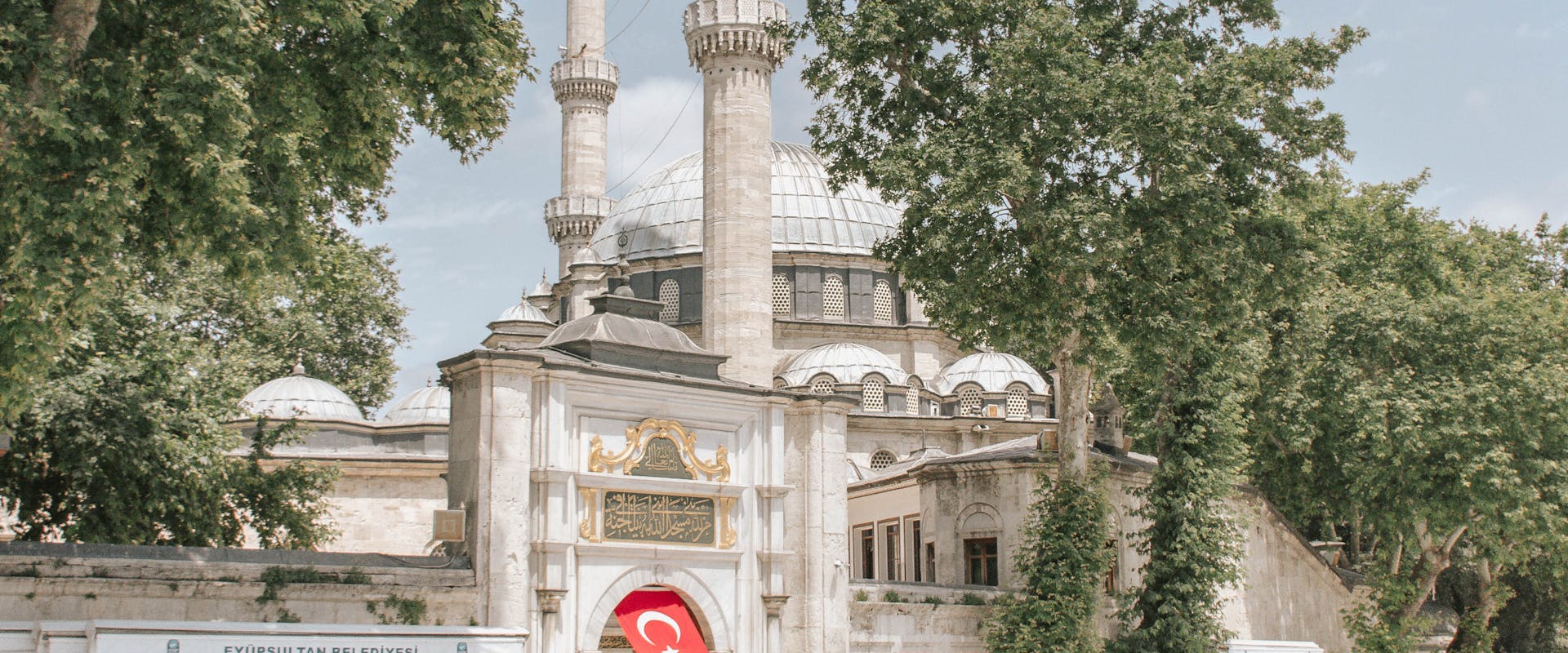
Eyüp Sultan Camii
22 August 2025
370 views
sabırşükürahlakimantevekkül
The importance of patience and gratitude in Islam, their place in the Quran and Sunnah, and their reflections in daily life.
<p>Patience (sabr) and gratitude (shukr) are the two fundamental pillars of Islamic morality and complement each other like two wings in a Muslim's life. Almighty Allah praises the patient in many verses of the Holy Quran and promises them great rewards. In Surah Az-Zumar, it is stated: "Indeed, the patient will be given their reward without account." Gratitude is the thankfulness felt toward blessings, and in Surah Ibrahim, the promise is given: "If you are grateful, I will surely increase My favor upon you."
<br/>
<br/>Patience in Islam is examined in three forms: patience in worship, patience against sins, and patience in the face of calamity. Patience in worship means performing prayers consistently, keeping fasts, and regularly fulfilling other acts of worship. Patience against sins means not yielding to the desires of the ego and staying away from what is forbidden. Patience in calamity means submitting to Allah without rebelling in the face of illness, loss, and hardship. All three types of patience elevate a Muslim's spiritual rank.
<br/>
<br/>Gratitude is not merely saying "Alhamdulillah" with the tongue. True gratitude involves knowing in the heart that blessings come from Allah, praising Him with the tongue, and using blessings in ways that please Allah. Gratitude for health means using it in worship, gratitude for wealth means spending it in good causes, and gratitude for knowledge means sharing it. When Prophet Muhammad (peace be upon him) prayed at night until his feet swelled, Aisha asked him: "Allah has forgiven your past and future sins; why do you tire yourself so much?" The Prophet replied: "Should I not be a grateful servant?"
<br/>
<br/>Patience and gratitude can be practiced in daily life in many ways. Being patient in traffic, showing endurance in the face of workplace difficulties, and not complaining during illness are examples of patience. Giving thanks for health upon waking each morning, praising Allah after meals, and remembering Allah at the sight of beautiful scenery are examples of gratitude. A patient and grateful Muslim will find peace both in this world and happiness in the hereafter.
<br/>
<br/>Islamic scholars have stated that faith without patience and gratitude remains incomplete. These two virtues, which provide balance through life's ups and downs, are indicators of a Muslim's spiritual maturity. Not becoming arrogant in prosperity and not falling into despair in adversity are possible only through patience and gratitude. Every Muslim should strive to live these two virtues at every moment of their life and pass these values on to their children.</p>