The Three Holy Months 2026-2027: Holy Night Dates and Worship Calendar
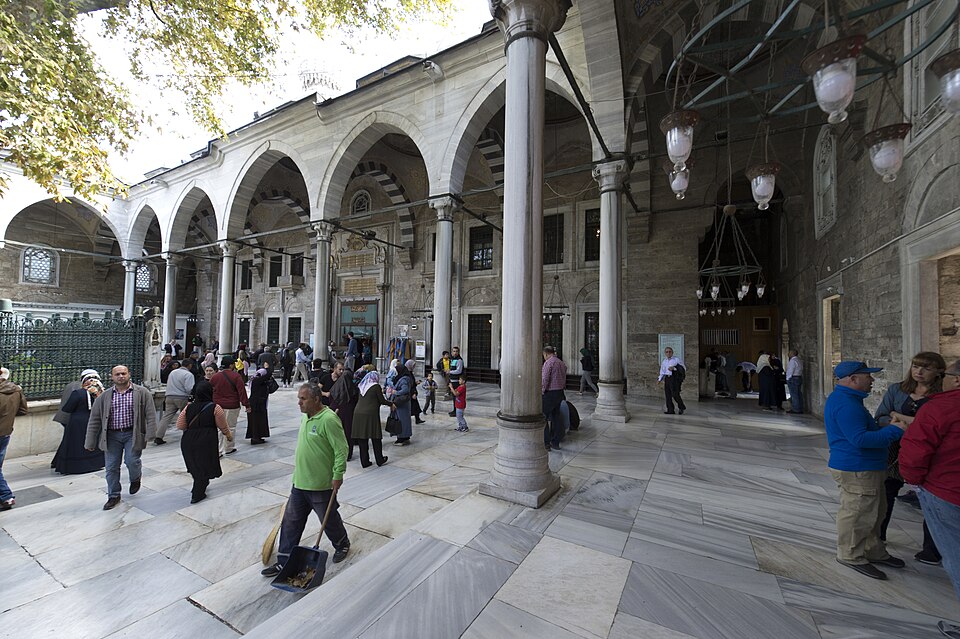
05 November 2026 - Eyüp Sultan Camii
What Are the Three Holy Months?
Rajab, Sha'ban and Ramadan, the seventh, eighth and ninth months of the Hijri calendar, are known in Turkey as "the three months" (üç aylar). This period is a spiritual preparation for Ramadan, a season in which worship, repentance and good deeds increase. It begins on the first day of Rajab, ends with Eid al-Fitr, and contains the nights of Raghaib, Miraj and Baraat as well as Laylat al-Qadr.
Because the Hijri calendar is lunar, the three months begin about eleven days earlier every year in the solar calendar. In 2026-2027 they fall in winter, which means long nights and short fasting days.
The 2026-2027 Calendar
The dates below are based on the religious calendar of the Turkish Presidency of Religious Affairs (Diyanet) and the Hijri calendar. Holy nights begin with the sunset prayer of the given day.
- Thursday 10 December 2026: Start of the three months and Laylat al-Raghaib
- Monday 4 January 2027: The Night of Miraj
- Saturday 9 January 2027: Start of Sha'ban
- Friday 22 January 2027: Laylat al-Baraat
- Sunday 7 February 2027: First tarawih prayer
- Monday 8 February 2027: Start of Ramadan, first fast
- Friday 5 March 2027: Laylat al-Qadr
- Monday 8 March 2027: Eve of Eid al-Fitr
- Tuesday-Thursday 9-11 March 2027: Eid al-Fitr
For daily suhoor and iftar times during Ramadan, use our Istanbul Ramadan Timetable. If any date changes, the announcement of Diyanet should be taken as the reference.
Rajab: The Start of the Preparation
Rajab is one of the four "sacred months" mentioned in the Quran (at-Tawbah, 36), during which one should take particular care to avoid injustice and wrongdoing. Laylat al-Raghaib falls at the start of Rajab and the Night of Miraj towards its end. It is narrated that when Rajab began, the Prophet prayed: "O Allah, bless Rajab and Sha'ban for us and let us reach Ramadan" (Ahmad ibn Hanbal, Musnad, I, 259; its chain is weak).
Sha'ban: The Gateway to Ramadan
Apart from Ramadan, the Prophet fasted most in Sha'ban (Bukhari, Sawm 52; Muslim, Siyam 176). The fifteenth night of Sha'ban is Laylat al-Baraat. It is also narrated that Aisha made up the fasts she owed from the previous Ramadan in Sha'ban (Bukhari, Sawm 40). Sha'ban is therefore the best time for those who owe make-up fasts to complete them before Ramadan.
Ramadan: The Peak of the Three Months
Ramadan, the month in which the Quran was revealed, is the peak of the three months. Laylat al-Qadr, better than a thousand months, is within it (al-Qadr, 1-5). For the iftar, suhoor and tarawih atmosphere at Eyup Sultan in Ramadan, read our articles Iftar Time at Eyup Sultan Mosque and Suhoor at Eyup Sultan.
A Simple Plan for the Three Months
- Regular prayer: Praying the five daily prayers without missing any, and making up a few missed prayers every day for those who owe them.
- Voluntary fasting: In Rajab and Sha'ban it is sunnah to fast on Mondays and Thursdays or on the 13th, 14th and 15th of each Hijri month (the "white days").
- Connecting with the Quran: Reading a few pages every day and building the habit now to complete the Quran in Ramadan.
- Repentance: Reciting a supplication of forgiveness such as Sayyid al-Istighfar every day.
- Rights of others and reconciliation: Paying debts, ending quarrels and seeking forgiveness from one another.
- Charity: Looking after those in need, especially during the winter months.
Eyup Sultan During the Three Months
Throughout the three months, Eyup Sultan Mosque is one of the most visited mosques in Istanbul, especially on the holy nights and in Ramadan. On holy nights it is best to arrive before the sunset prayer, and in Ramadan you should expect the square to be very crowded close to iftar. Weekday daytime hours are the best time for those who want to visit the tomb and the mosque more calmly.
For more on the meaning and virtues of the three months, you can also read our article The Blessed Three Months: Rajab, Sha'ban, Ramadan.