Zakat and Charity: Mutual Help in Islam
22 June 2025 - Eyüp Sultan Camii
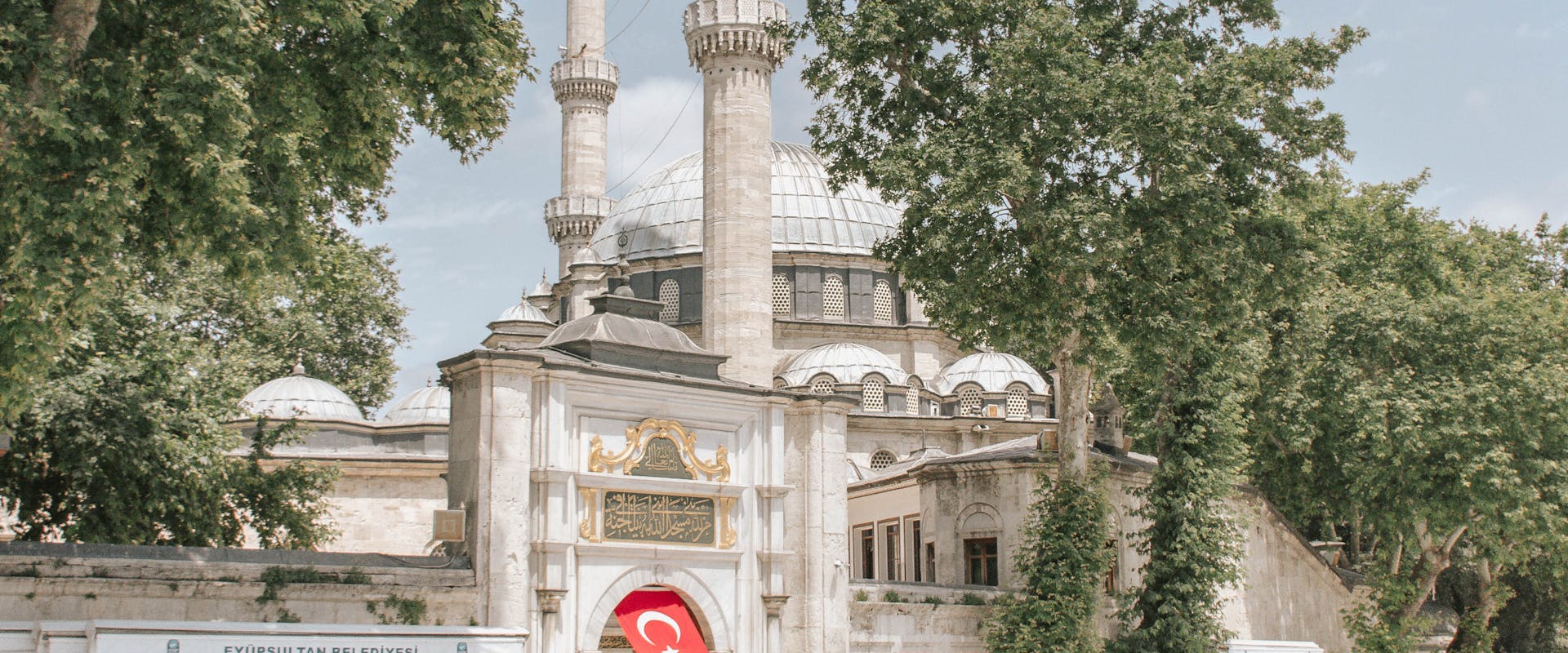
Eyüp Sultan Camii
22 June 2025
415 views
zekatsadakayardımlaşmainfakhayır
The importance of zakat as one of the five pillars of Islam, the virtues of charity, and the culture of mutual help in Islam.
<p>Zakat is one of the five fundamental pillars of Islam and is a financial obligation that every Muslim who possesses a certain amount of wealth must fulfill. Almighty Allah has commanded zakat alongside prayer in many verses of the Holy Quran. In Surah At-Tawbah, it is stated: "Take from their wealth a charity by which you purify them and cleanse them." Zakat purifies wealth, increases blessings, and ensures social justice in society. This act of worship contributes to social harmony by building a bridge between the rich and the poor.
<br/>
<br/>For zakat to become obligatory, a person must possess wealth that has reached the nisab (minimum threshold) and a full year must have passed over this wealth. Various types of assets such as gold, silver, cash, trade goods, and livestock are subject to zakat. Zakat is generally given at a rate of one-fortieth, or two and a half percent of one's wealth. The Quran clearly specifies who may receive zakat: the poor, the needy, zakat collectors, those whose hearts are to be reconciled to Islam, slaves, debtors, those in the cause of Allah, and wayfarers.
<br/>
<br/>Sadaqah (voluntary charity), unlike zakat, is not obligatory but holds a very important place in Islam. Prophet Muhammad (peace be upon him) said: "Charity does not decrease wealth." Sadaqah should not be thought of merely as material assistance. Showing a cheerful face, speaking kind words, removing harmful things from the road, and guiding people are also forms of charity. Even a smile is considered an act of charity.
<br/>
<br/>The culture of mutual help in Islam is deeply rooted and rich. The waqf (endowment) civilization is one of the finest examples of the spirit of mutual assistance in Islamic societies. Throughout history, Muslims have served society by building hospitals, madrasas, fountains, inns, and caravanserais. The principle that a Muslim who sleeps full while their neighbor is hungry is not a true believer demonstrates Islam's sensitivity regarding social solidarity.
<br/>
<br/>Today, zakat and sadaqah remain among the most important tools of social solidarity. It is essential that zakat calculation methods are properly understood, that zakat is given to trustworthy institutions, and that it reaches those in need. Every Muslim should help according to their means, providing both material and moral support. It should be remembered that the giving hand is better than the receiving hand, and every penny spent in the way of Allah will return multiplied as reward in the hereafter.</p>