History
Witness of Centuries, The Spiritual Heart of Istanbul
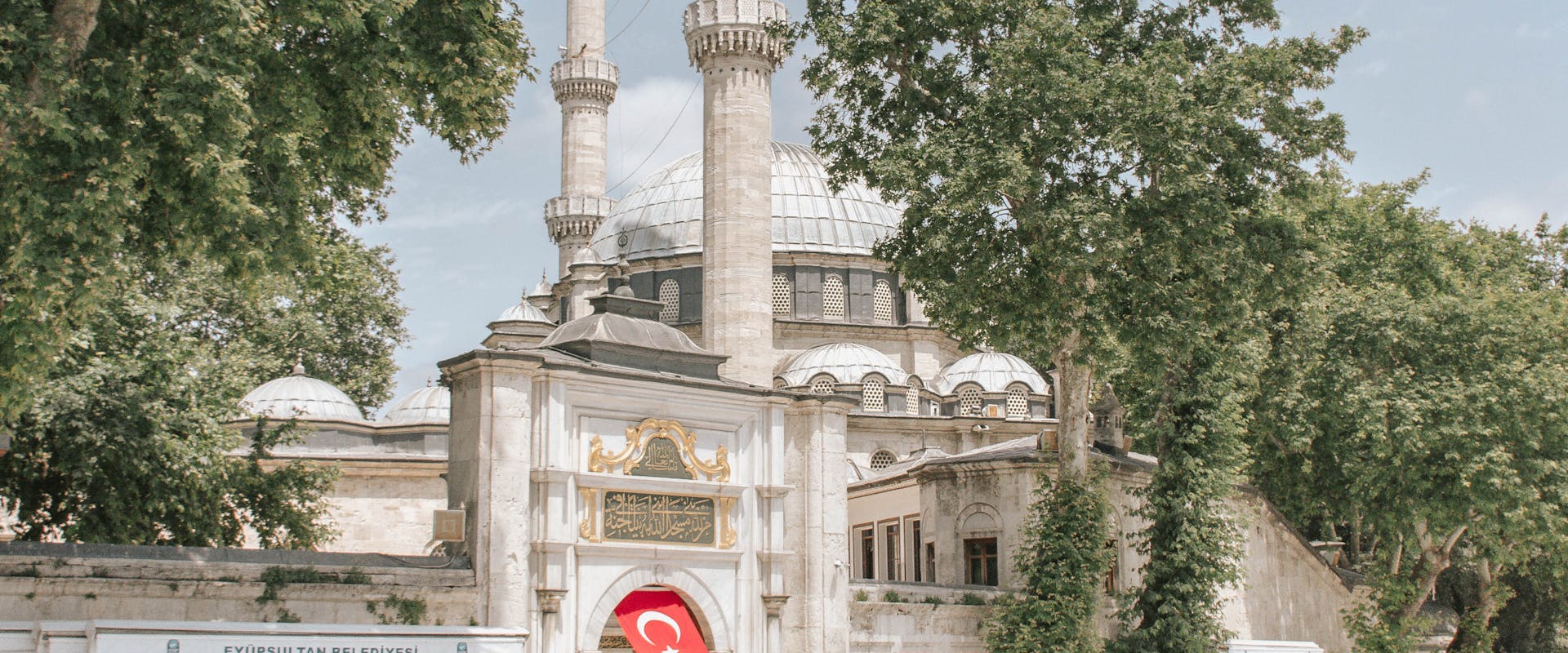
Eyup Sultan Mosque from Conquest to Present
Eyup Sultan Mosque was built in 1458 by Sultan Mehmed the Conqueror after the conquest of Istanbul, over the grave of Abu Ayyub al-Ansari, the standard-bearer and host of the Prophet (PBUH).
Considered the fourth holiest site in the Islamic world after Mecca, Medina, and Jerusalem, this structure hosted the sword-girding ceremonies of Ottoman sultans and has been the spiritual center of Istanbul for centuries.
Important Dates
Important milestones in the history of Eyup Sultan Mosque
The Martyrdom of Abu Ayyub al-Ansari
Abu Ayyub al-Ansari, a close companion, standard-bearer, and host of the Prophet (PBUH), joined the campaign for the conquest of Istanbul despite his advanced age. He fell ill during the siege and was martyred. At his request, he was buried at the furthest point of the Istanbul walls. According to tradition, the Byzantines respected this place due to the sanctity of the grave and would pray for rain during times of famine.
The Conquest of Istanbul and Discovery of the Grave
After the conquest, Sheikh Akshemseddin, teacher of Sultan Mehmed the Conqueror, located the grave of Abu Ayyub al-Ansari through his spiritual insight. A stone inscribed with 'Haza Kabr-i Abi Ayyub' (This is the grave of Abu Ayyub) and a golden plate were found during excavation. This discovery was accepted as the spiritual symbol of the conquest.
First Mosque and Tomb Construction
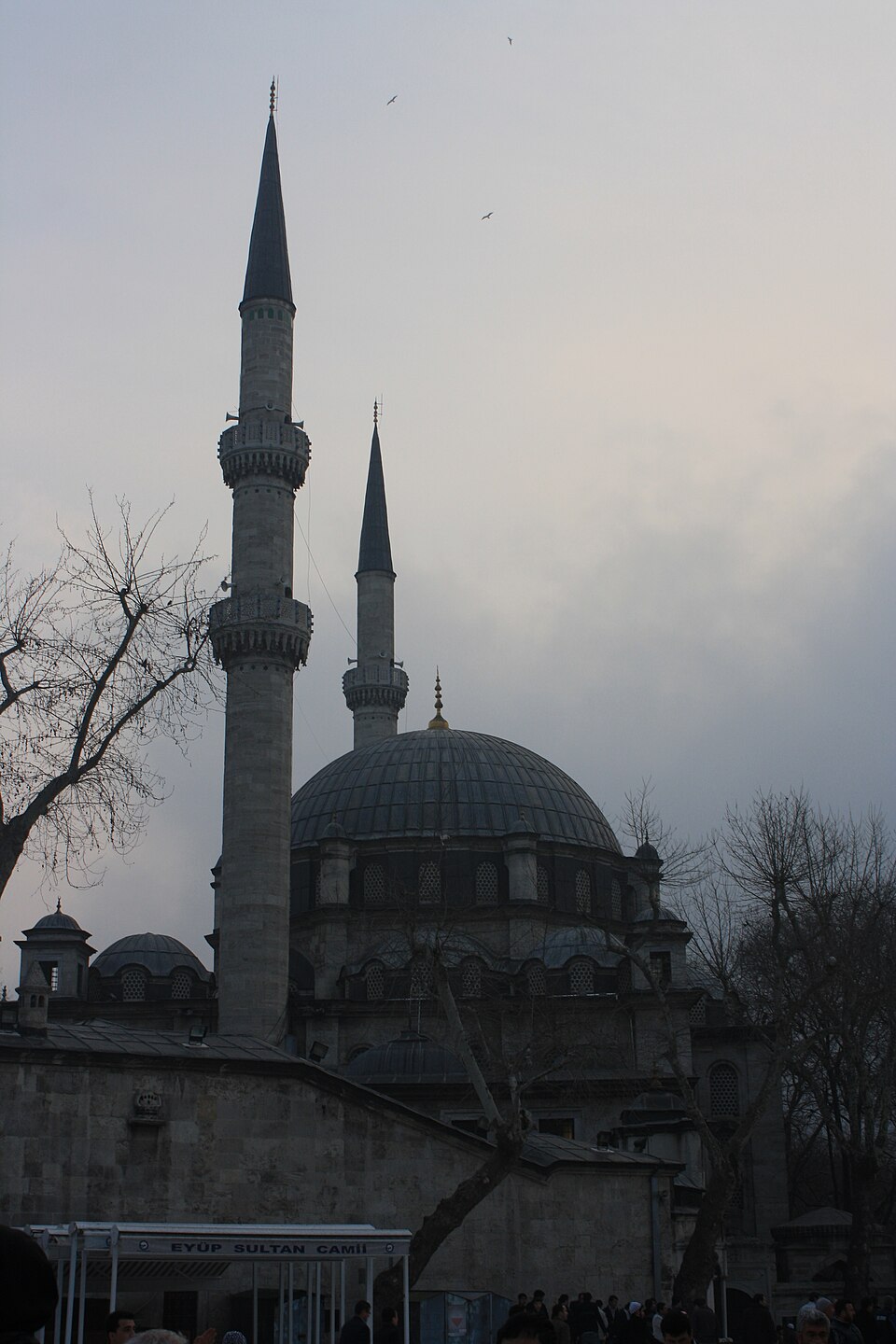
Sultan Mehmed the Conqueror had a tomb built over the grave and a mosque beside it. The mosque became the sacred venue for sword-girding ceremonies, an essential part of Ottoman sultans' enthronement. This tradition continued for centuries as an important ritual reinforcing the dynasty's legitimacy. The tomb was adorned with Iznik tiles, calligraphy works, and rare gifts.
Renewal of the Minarets
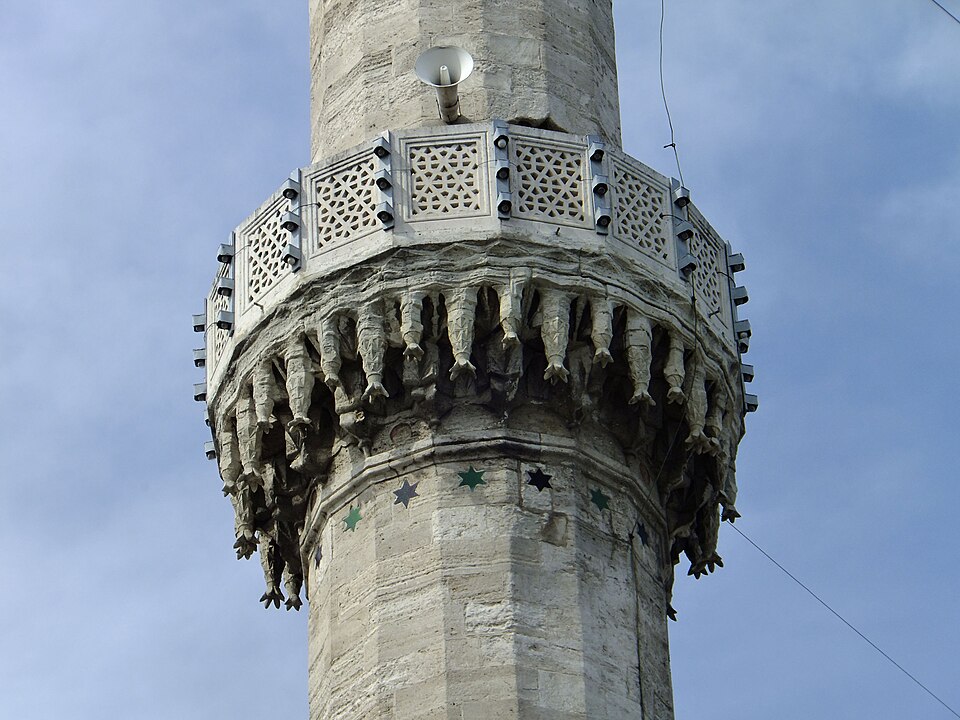
By the decree of Sultan Ahmed III, the minarets were rebuilt. The elegant twin-balcony minarets were completed in 1733. This renewal gave the mosque its current iconic silhouette.
The Great Earthquake
The great earthquake in May deeply shook Istanbul. The first mosque built by Sultan Mehmed the Conqueror was damaged beyond repair. This disaster necessitated the complete reconstruction of the mosque.
Reconstruction
The reconstruction began on July 9, 1798 and was completed in 28 months. The building superintendent was Uzun Huseyin Efendi. The mosque was ceremonially opened by Sultan Selim III on October 24, 1800. The structure we see today largely dates from this period. The ablution fountain was also built during Sultan Selim III's time.
Minaret Repair
On July 23, lightning struck the sea-side minaret. The parts up to the upper balcony were damaged and repaired. After this repair, the minarets have remained standing to this day.
Historical and Architectural Features
Comprehensive information about Eyup Sultan Mosque
Kuruluş Tarihi ve Tarihçe
Mimari Özellikleri
Restorasyon ve Yeniden İnşa
Avlu ve Çevre Yapıları
Eyüp Sultan Haziresi
Architectural Features
One of the finest examples of Ottoman architecture
Dome System
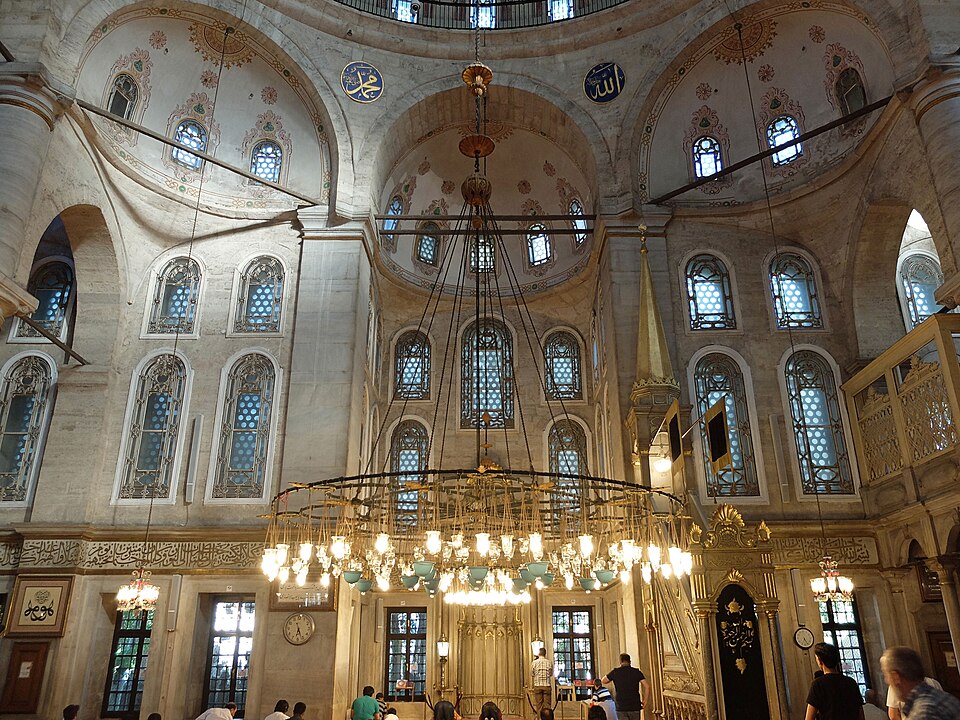
One large dome, surrounded by 8 half domes and 4 small domes at the corners. The dome rests on six stone columns.
Galleries and Portico
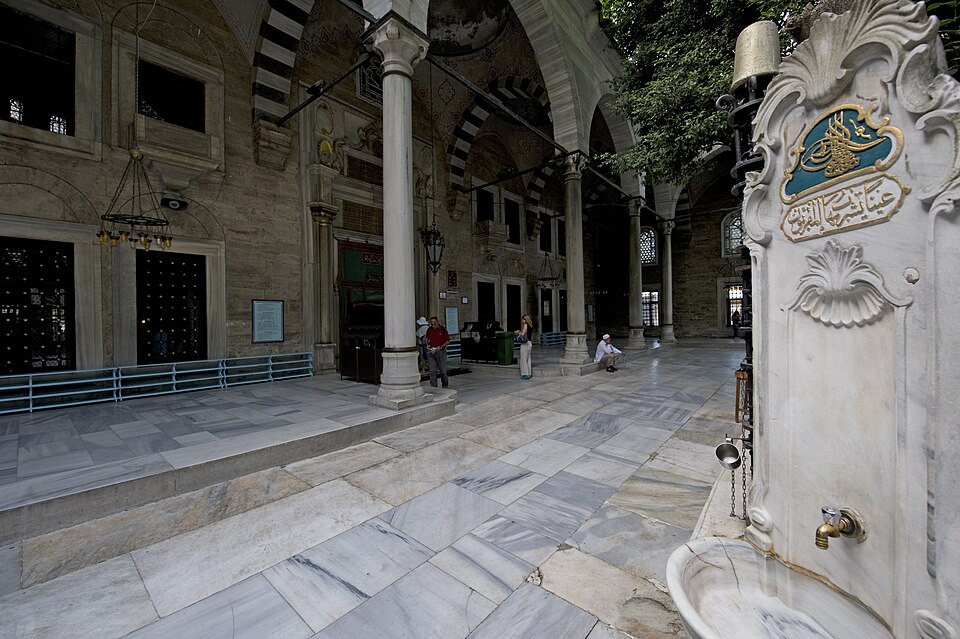
Galleries on three sides, excluding the mihrab side. A portico with six columns and seven domes stands in front of the last congregation area.
Marble Pulpit
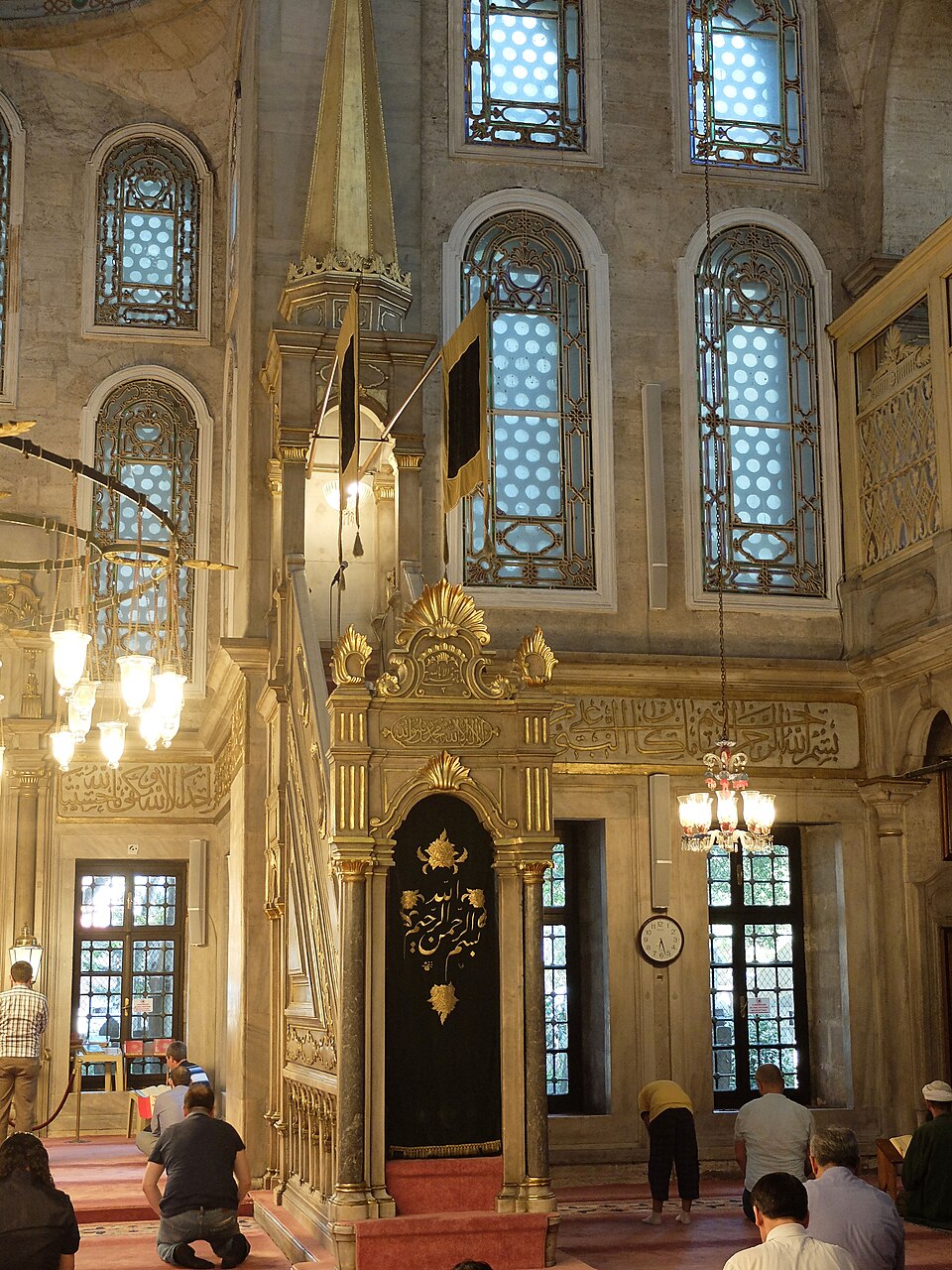
The marble pulpit is the work of the most skilled stonemasons of the era. Its fine craftsmanship and elegant decorations are noteworthy.
Twin-Balcony Minarets
Elegant twin-balcony minarets on the right and left. Rebuilt during the reign of Sultan Ahmed III in 1733.
Ablution Fountain
The ablution fountain built during Sultan Selim III's time is in the center of the courtyard. The courtyard has two gates: the Market Gate and the Musalla Gate.
Wish Fountains
At the four corners of the courtyard railing, there are four small fountains called 'Wish Fountains' or 'Destiny Fountains'.
Visit Eyup Sultan Mosque
You are invited to this sacred place where spiritual peace and history meet