Eyup Sultan Tomb
The Holy Grave of Hz. Khalid ibn Zayd Abu Ayyub al-Ansari
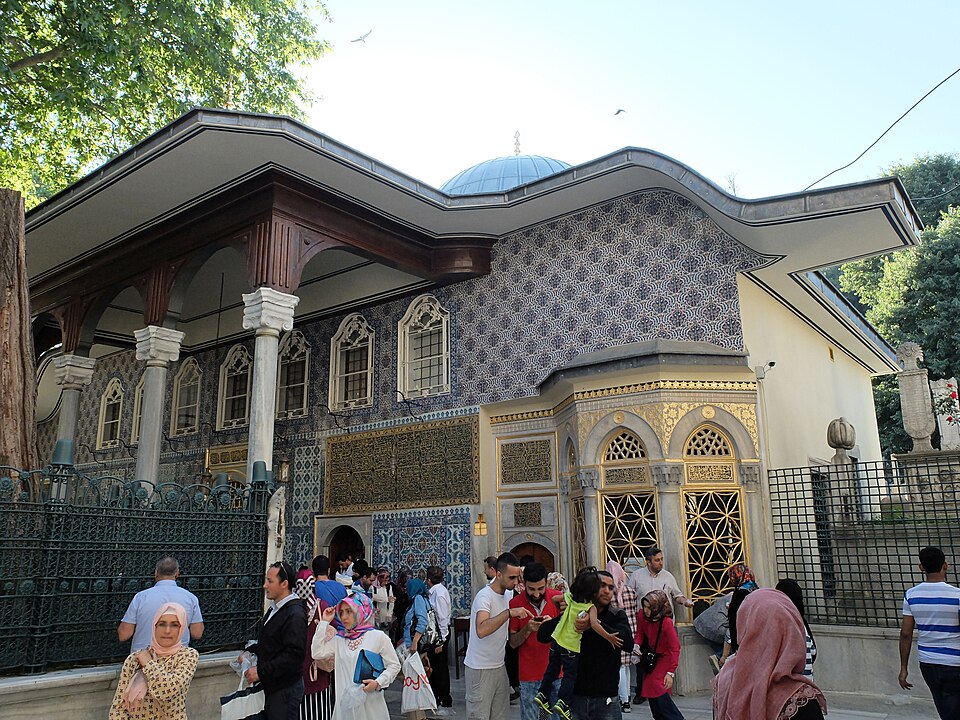
The Holy Grave of Abu Ayyub al-Ansari
Eyup Sultan Tomb is the sacred place housing the holy grave of Khalid ibn Zayd Abu Ayyub al-Ansari, the standard-bearer, host, and close companion of the Prophet Muhammad (PBUH). It is regarded as the fourth most important pilgrimage site in the Islamic world after Mecca, Medina, and Jerusalem.
Abu Ayyub al-Ansari is the noble companion who hosted the Prophet Muhammad in his home when he migrated to Medina. Despite his advanced age, he joined the campaign organized for the conquest of Istanbul between 669-674 CE and was martyred during the siege in 671 CE, buried at the foot of the city walls.
Discovery of the Grave and Construction of the Tomb
The historical journey of Eyup Sultan Tomb from the conquest to the present
The Martyrdom of Abu Ayyub al-Ansari
Abu Ayyub al-Ansari, a close companion of the Prophet (PBUH), joined the campaign for the conquest of Istanbul despite his advanced age. He fell ill during the siege and was martyred. At his request, he was buried at the furthest point of the Istanbul walls. According to tradition, the Byzantines respected this place due to the sanctity of the grave and would pray for rain at the grave site during times of famine.
Discovery of the Grave
After the conquest of Istanbul in 1453, Sheikh Akshemseddin, the teacher of Sultan Mehmed the Conqueror, located the grave of Abu Ayyub al-Ansari through his spiritual insight. During the excavation, a stone inscribed with 'Haza Kabr-i Abi Ayyub' (This is the grave of Abu Ayyub) was found. A golden plate was also discovered next to the stone. This event is considered the spiritual symbol of the conquest of Istanbul.
First Tomb Construction
Sultan Mehmed the Conqueror had a tomb built over the grave and a mosque beside it. The tomb was built on an octagonal plan and covered with a lead-clad dome. Its interior was adorned with precious Iznik tiles, calligraphy works, and rare gifts. From this date, the tomb became the sacred venue for sword-girding ceremonies, an integral part of Ottoman sultans' enthronement rituals.
Renovation and Present Day
After the 1766 earthquake, the tomb was repaired along with the mosque. It underwent a comprehensive restoration during the reign of Sultan Selim III (1800). Various maintenance and repair works were also carried out during the Republican period. Today, the tomb maintains its importance as a sacred place visited by millions of Muslims each year, where they pray and find spiritual peace.
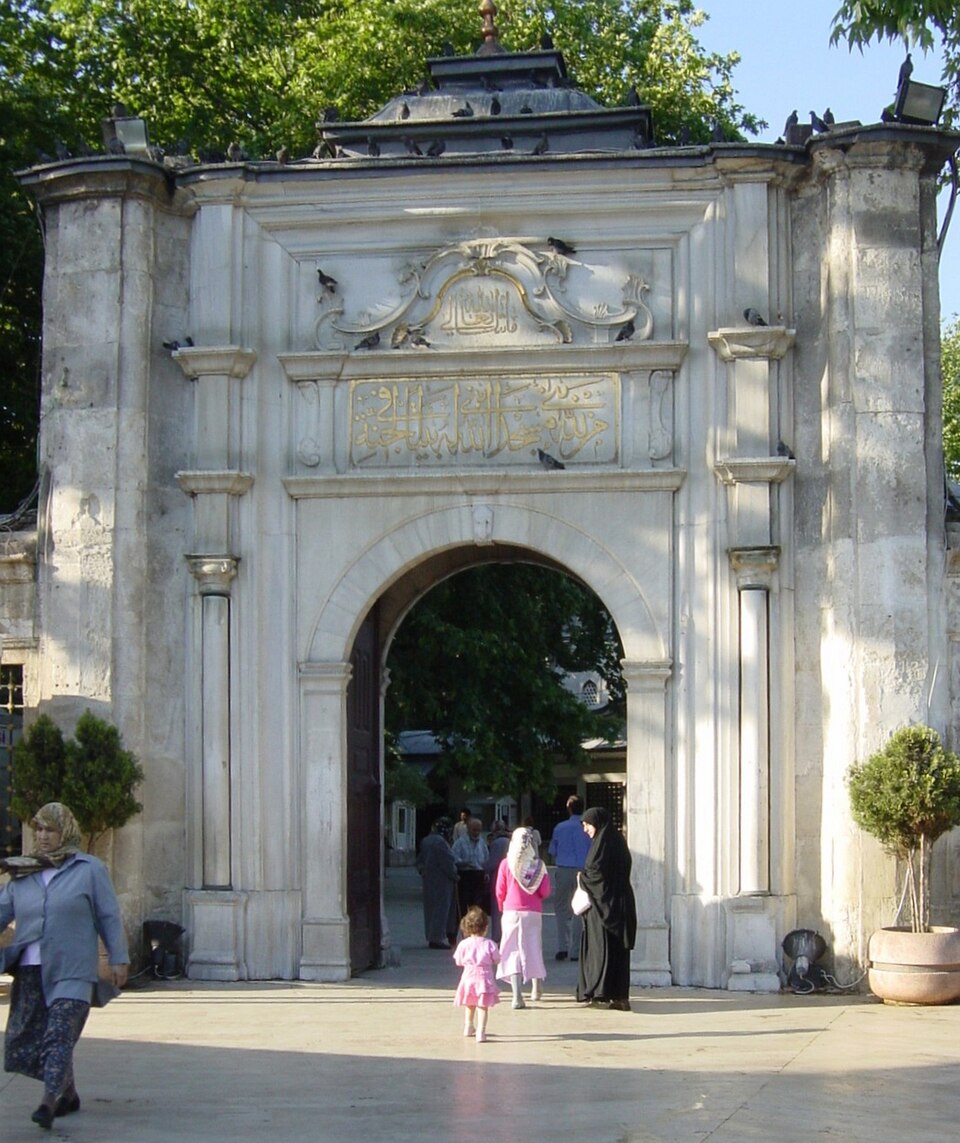
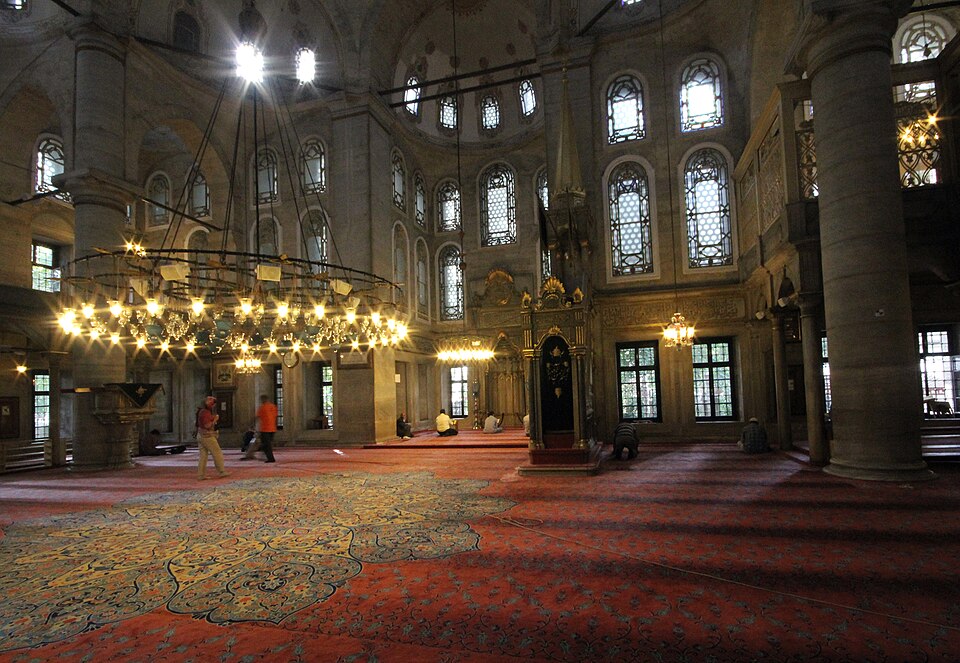
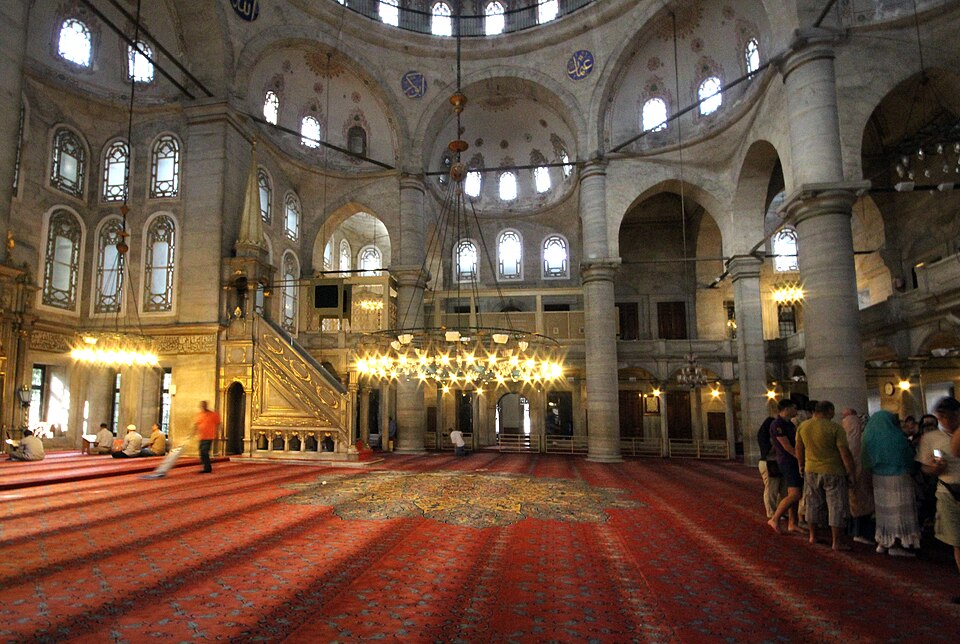
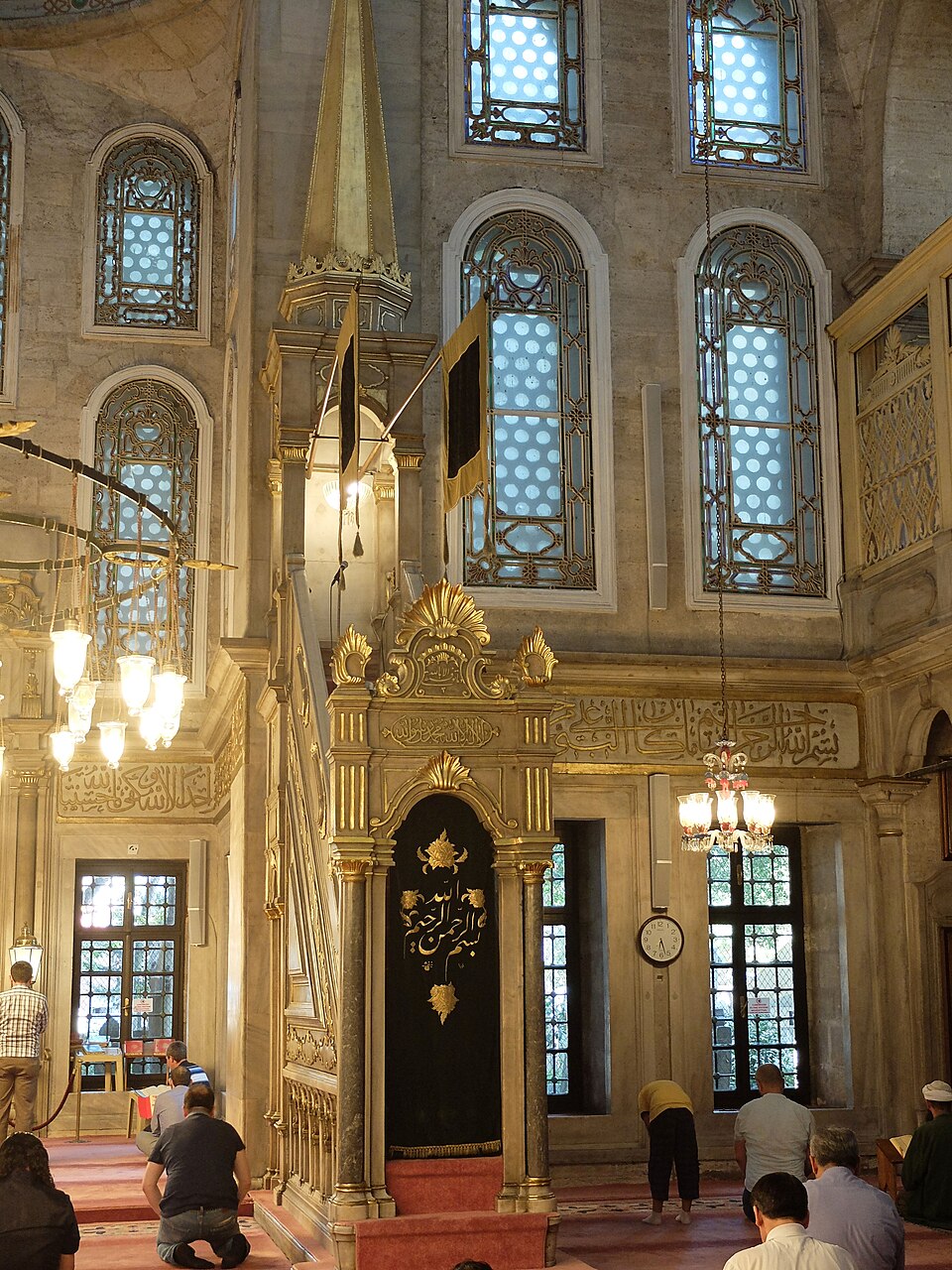
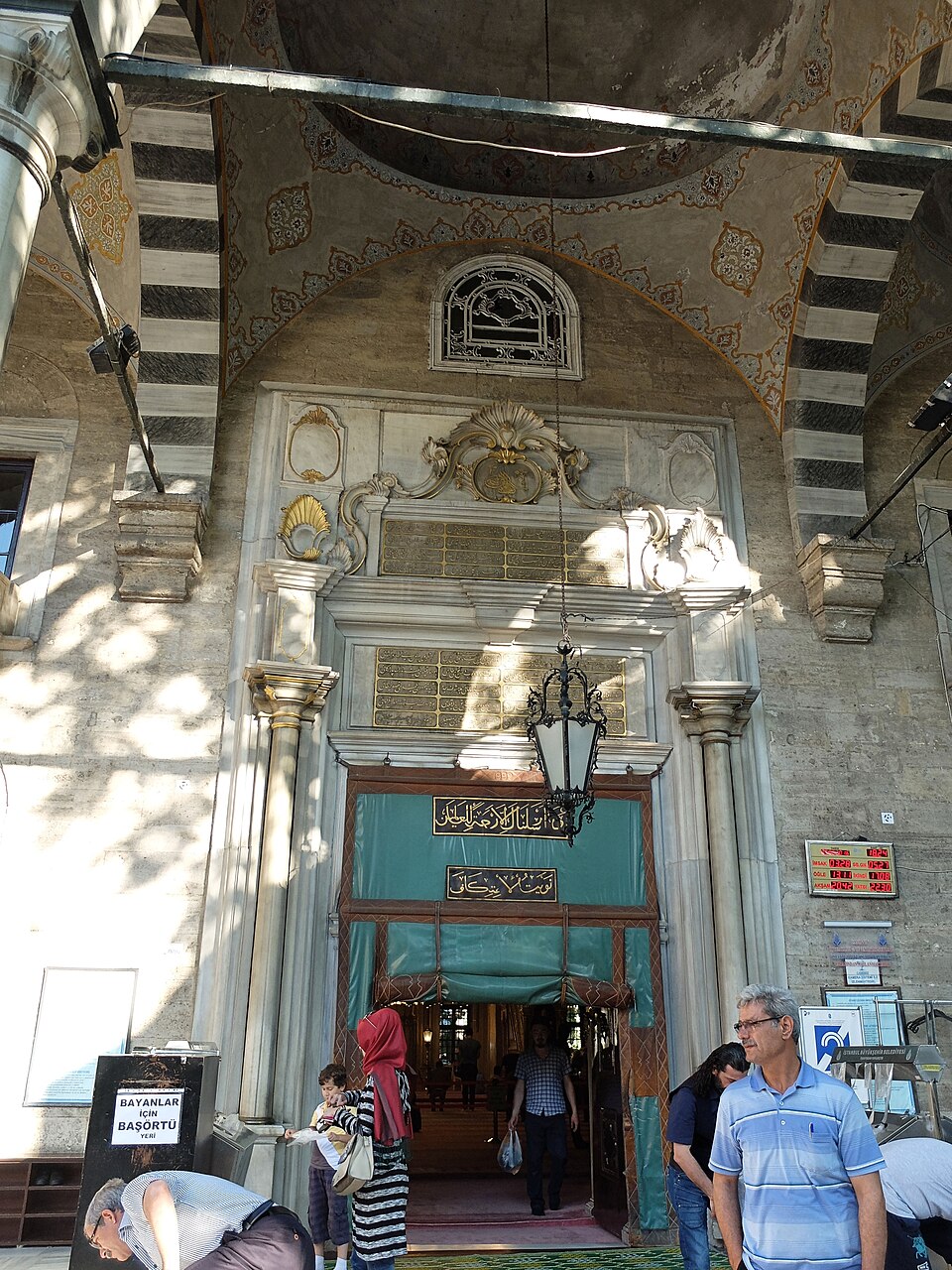
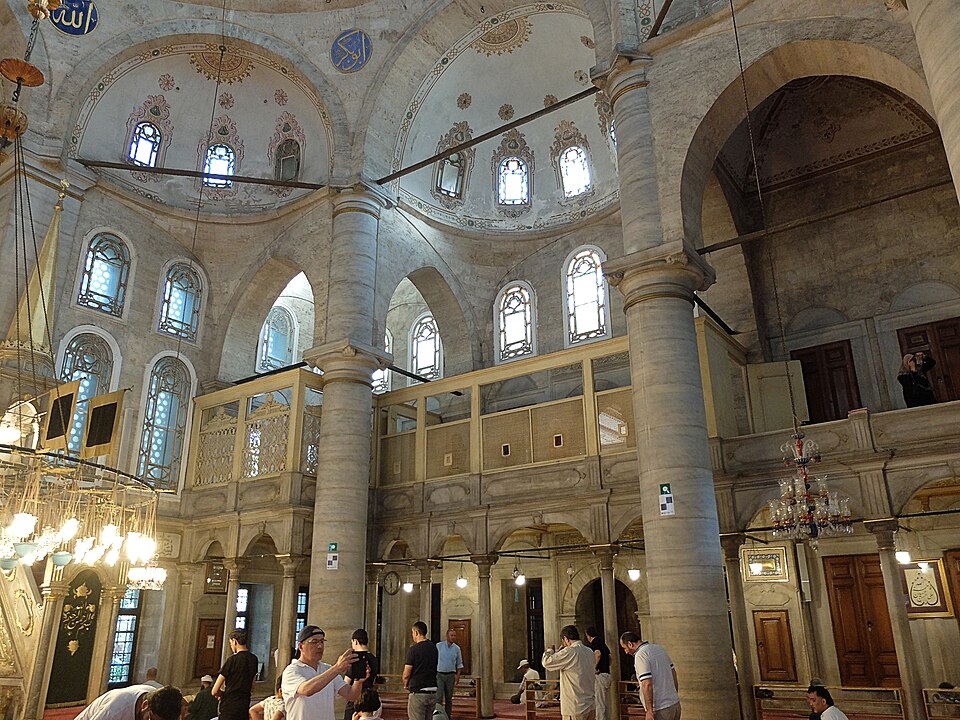
Photos from the Tomb
Photos from the interior and exterior of Eyup Sultan Tomb
Architectural Features of the Tomb
The sacred place housing the finest examples of Ottoman art
Octagonal Plan
The tomb is built on an octagonal plan, a classic feature of Ottoman tomb architecture. It is covered with a lead-clad dome. Its exterior facade has a simple and elegant appearance.
Iznik Tiles
The interior walls of the tomb are covered with extremely valuable Iznik tiles from the 16th and 17th centuries. Verses, hadiths, and prayers are inscribed on tile panels with the finest examples of calligraphy.
Calligraphy Works
Inside the tomb are Quran verses, hadiths, and odes written by the most skilled calligraphers of the era. Unique examples in thuluth, naskh, and taliq script styles are present.
Sarcophagus and Cover
Above the holy grave is a sarcophagus with a silver lattice. The sarcophagus is covered with a pushide (cover) woven from precious fabrics. Verses are embroidered on the cover with gold thread.
Silver Lattice
The silver lattice (railing) surrounding the sarcophagus is one of the finest examples of Ottoman silverwork. It features floral motifs and geometric patterns.
Lamps and Chandeliers
Crystal and silver lamps and chandeliers hanging from the tomb's ceiling complete the spiritual atmosphere. Some were gifted by Ottoman sultans.
Who is Abu Ayyub al-Ansari?
Khalid ibn Zayd Abu Ayyub al-Ansari was from the Najjar clan of the Khazraj tribe of Medina and is one of the most important companions in Islamic history. The first house where the Prophet (PBUH) stayed when he migrated from Mecca to Medina was the house of Abu Ayyub al-Ansari.
When the Prophet arrived in Medina, he stayed for seven months in the house of Abu Ayyub, the nearest house to where his camel Qaswa knelt. This event earned Abu Ayyub al-Ansari the title of 'Mihmandar-i Nabi' (Host of the Prophet).
Abu Ayyub al-Ansari participated in all battles the Prophet attended, including Badr, Uhud, and the Trench. After the Prophet's death, he joined many campaigns for the spread of Islam. Finally, despite his advanced age, he joined the campaign for the conquest of Istanbul and passed away during the siege in 671 CE.
Before his death, he said in his will: 'Bury me at the furthest point of enemy lines, at the foot of the walls.' His will was fulfilled and his grave was placed in front of the Istanbul walls.
Virtues and Qualities
- Host of the Prophet: The companion who hosted the Prophet in his home in Medina
- Standard-Bearer of the Prophet: He had the honor of carrying the Prophet's banner
- Hadith Narrator: He narrated more than 150 hadiths from the Prophet
- Participation in All Battles: He participated in all campaigns from Badr to the siege of Istanbul
- Scholar: He was one of the leading jurisprudence scholars of the companions' era
From the Hadiths He Narrated
When one of you eats, let them say 'Bismillah'. If they forget at the beginning, let them say 'Bismillahi awwalahu wa akhirahu' when they remember.
— Tirmidhi, Abu DawudWhoever fasts Ramadan and then follows it with six days of Shawwal, it is as if they fasted the entire year.
— MuslimHe who sleeps with a full stomach while his neighbor is hungry is not one of us.
— Bukhari (mu'allaq), TabaraniVisit Information
Sword-Girding Ceremony
In the Ottoman Empire, every new sultan would perform a sword-girding ceremony at Eyup Sultan Tomb shortly after ascending the throne. This ceremony was one of the most important rituals reinforcing the sultan's legitimacy.
During the ceremony, the sultan would be girded with one of the swords of Omar, Osman, or Osman Gazi. The person girding the sword was usually the Sheikh al-Islam or a prominent sheikh. This tradition continued uninterrupted from the founding to the fall of the Ottoman Empire.
Visit Eyup Sultan Tomb
You are invited to this sacred place where spiritual peace and history meet