The Tiles Inside Eyup Sultan Mosque: Pinnacle of Ottoman Art
25 February 2026 - Eyüp Sultan Camii
Ottoman Tile Art and Eyup Sultan
Eyup Sultan Mosque and Tomb house some of the rarest examples of Ottoman tile art. Thanks to repairs and renovations carried out in different periods, it hosts a vast tile collection spanning from the 15th to the 19th century.
Tiles in the Tomb
The interior walls of the tomb are covered with the finest examples of Iznik tiles. Blue and white floral motifs, tulip, carnation, and hyacinth patterns draw attention. The tiles around the tomb mihrab in particular are among the highest quality products of 16th-century Iznik workshops.
The tile collection in the tomb portico presents panels from different periods side by side. The use of coral red (sealing-wax red) color in these panels indicates that the tiles date from the second half of the 16th century.
Tiles in the Mosque
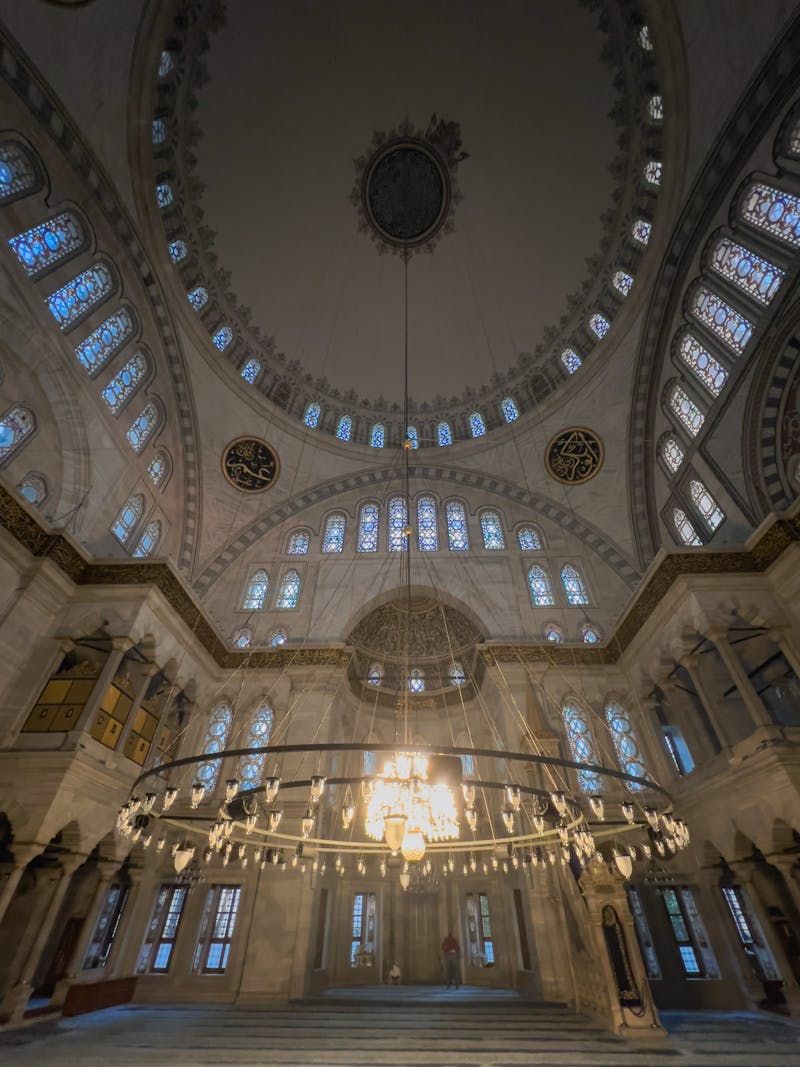
The interior of the mosque, rebuilt by Sultan Selim III in 1800, features Baroque-style tile decorations. The tiles around the mihrab are particularly noteworthy. Additionally, the Basmala tile panel at the mosque entrance is a magnificent example of the union of calligraphy and tile art.
Restoration of the Tiles
The tiles, affected by earthquakes, humidity, and natural erosion over the centuries, have been preserved through meticulous restoration work in various periods. Today, these tiles are carefully maintained as one of the most valuable heritages of Turkish-Islamic art.